
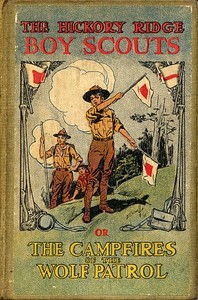
Camp Fires of the Wolf Patrol
Written by Alan Douglas
Chaptra reads alongside you — AI insights, chapter breakdowns and reader discussions for every book. Join free
About this book
Reading guide
Themes, characters and key ideas in Camp Fires of the Wolf Patrol, written by Chaptra AI.
- about 8 hours
- intermediate
- uplifting
- adventurous
- innocent
Captain Alan Douglas's "Camp Fires of the Wolf Patrol" is an early 20th-century boys' adventure novel chronicling the inaugural camping trip of a Boy Scout troop. Led by Scout Master Mr. Roderic Garrabrant and the exceptionally skilled Elmer Chenowith, the khaki-clad scouts journey to the Sweetwater River to establish their camp and put their newly acquired outdoor skills to the test. The narrative captures the youthful enthusiasm and camaraderie of the boys as they engage in camp life, share stories, confront minor fears, and prepare for various skill-building challenges. This slice-of-life adventure emphasizes the values of scouting, self-reliance, and the joy of exploring nature, setting the stage for their collective growth and escapades.
“"A good scout is always prepared, not just for the unexpected, but for the opportunity to help others."”
Key themes
- Outdoor Skills and Self-Reliance
- Central to the Boy Scout ethos, this theme highlights the acquisition and application of practical outdoor skills, fostering independence and resourcefulness. The narrative demonstrates how learning to navigate, build shelter, and respond to nature's demands builds character.
- Camaraderie and Friendship
- This theme explores the bonds that form among the Boy Scouts as they share experiences, challenges, and triumphs during their camping trip. It emphasizes the importance of mutual support, shared laughter, and collective effort in building strong relationships.
- Nature and the Wilderness as a Teacher
- The natural setting near the Sweetwater River is portrayed not just as a backdrop, but as an active force that teaches lessons, presents challenges, and offers opportunities for discovery. This theme emphasizes the transformative power of engaging with the outdoors.
Worth discussing
How does the book portray the ideals and values of the Boy Scout movement in the early 20th century, and how do these compare to contemporary youth organizations?
Chapter-by-chapter breakdowns, character arcs and the full thematic analysis come with a free account.
Discussions
No one has started one yet
Questions this book opens up
No discussions yet
Be the first to start a discussion about this book!
Sign up to start the discussionReviews
No reviews yet
Be the first to review this book!