
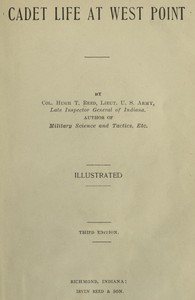
Cadet Life at West Point
Written by Hugh T. Reed
Chaptra reads alongside you — AI insights, chapter breakdowns and reader discussions for every book. Join free
About this book
Reading guide
Themes, characters and key ideas in Cadet Life at West Point, written by Chaptra AI.
- about 8 hours
- intermediate
- Inspirational
- Disciplined
- Historical
Hugh T. Reed's "Cadet Life at West Point" is a poignant early 20th-century memoir offering an intimate look into the rigorous United States Military Academy experience during the late 19th century. The book chronicles Reed's unwavering childhood ambition to attend West Point, detailing his determined efforts to overcome significant personal and familial obstacles to gain admission. Once admitted, the narrative immerses readers in the highly regimented daily life of a cadet, particularly focusing on the challenges and transformative experiences of a plebe. It serves as both a personal reflection on military education and a practical guide, illustrating the demanding discipline, profound camaraderie, and character-building expectations that define life at this esteemed institution.
“From my earliest recollections, the very name 'West Point' held a fascination that transcended all other youthful ambitions.”
Key themes
- Discipline and Regimentation
- The memoir vividly portrays the strict, almost total, regimentation of life at West Point. This theme delves into how an institution uses rigorous discipline – from daily routines, physical training, and academic demands to social protocols – to break down individual civilian habits and mold cadets into cohesive, obedient, and effective military officers. It explores the psychological and physical impact of such an environment.
- Aspiration and Determination
- This theme is central to Reed's narrative, beginning with his fervent childhood dream of attending West Point. It explores the power of a singular ambition and the relentless determination required to pursue it against various obstacles, including personal challenges (eyesight) and familial resistance. The book highlights the mental fortitude and unwavering commitment necessary to achieve a demanding goal.
- Formation of Character and Leadership
- The book explicitly explores how the West Point experience transforms young men, not just into soldiers, but into leaders. This theme examines the deliberate institutional process of developing qualities such as integrity, resilience, decision-making skills, and a strong sense of duty. Reed's personal growth exemplifies this transformation, showing how the academy aims to cultivate individuals prepared for significant responsibility.
Worth discussing
How does Reed's childhood ambition set the tone for his experiences at West Point, and what does it reveal about the nature of aspiration?
Chapter-by-chapter breakdowns, character arcs and the full thematic analysis come with a free account.
Discussions
No one has started one yet
Questions this book opens up
No discussions yet
Be the first to start a discussion about this book!
Sign up to start the discussionReviews
No reviews yet
Be the first to review this book!