
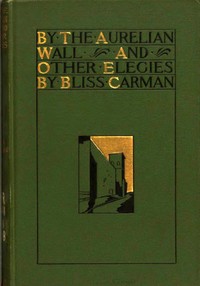
By the Aurelian Wall, and Other Elegies
Written by Bliss Carman
Chaptra reads alongside you — AI insights, chapter breakdowns and reader discussions for every book. Join free
About this book
Reading guide
Themes, characters and key ideas in By the Aurelian Wall, and Other Elegies, written by Chaptra AI.
- about 8 hours
- advanced
- introspective
- melancholy
- reflective
Bliss Carman's "By the Aurelian Wall, and Other Elegies" is a profound collection of late 19th-century poems that delves into the interconnected themes of nature, mortality, and the human condition. Through elegant language and evocative imagery, Carman crafts elegies that reflect on the transient beauty of life and the enduring legacies of both historical figures and everyday moments. The collection invites deep introspection, meditating on the ephemeral nature of existence while celebrating the persistent beauty found in the natural world. It serves as a lyrical contemplation of life's journey, loss, and the indelible marks left by memory and art.
“Oh, transient bloom, how brief thy tenure on the bough, / Yet in thy fading, beauty's truth endures somehow.”
Key themes
- Mortality and Transience
- A central theme exploring the ephemeral nature of human life, beauty, and earthly endeavors. Carman repeatedly confronts the inevitability of death and the fleetingness of existence, using natural cycles (fading blooms, changing seasons) as metaphors for human impermanence. The elegies serve as meditations on loss and the passage of time.
- Nature and the Human Spirit
- Carman explores the profound connection between humanity and the natural world. Nature is not merely a backdrop but a source of solace, inspiration, and philosophical insight. It reflects human emotions, offers lessons on life and death, and provides a sense of continuity and enduring beauty amidst personal loss.
- Legacy and Memory
- This theme examines how individuals and civilizations leave an enduring mark on the world, and how these legacies are preserved through memory, art, and history. Carman contemplates what truly lasts beyond a lifetime, focusing on the power of creative works and the impact of significant lives to transcend death.
Worth discussing
How does Carman use nature imagery to explore themes of mortality and permanence?
Chapter-by-chapter breakdowns, character arcs and the full thematic analysis come with a free account.
Discussions
No one has started one yet
Questions this book opens up
No discussions yet
Be the first to start a discussion about this book!
Sign up to start the discussionReviews
No reviews yet
Be the first to review this book!