
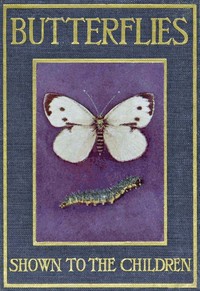
Butterflies and Moths, Shown to the Children
Written by Theodore Wood
Chaptra reads alongside you — AI insights, chapter breakdowns and reader discussions for every book. Join free
About this book
Reading guide
Themes, characters and key ideas in Butterflies and Moths, Shown to the Children, written by Chaptra AI.
- about 8 hours
- intermediate
- Educational
- Curious
- Informative
Theodore Wood's "Butterflies and Moths, Shown to the Children" is a late 19th-century scientific guide designed to introduce young readers to the entomological wonders of the British Isles. The book meticulously details the life cycles of various butterfly and moth species, from egg to caterpillar, chrysalis, and finally, the adult insect, emphasizing the remarkable transformations. Wood employs an engaging and accessible language, fostering curiosity and encouraging observational skills by highlighting the vibrant patterns and unique characteristics of these delicate creatures. Beyond species identification, the guide also delves into fundamental concepts like insect anatomy and the distinctions between butterflies and moths, serving as an early primer in natural history for children.
“It explains how these insects start as eggs and then hatch into caterpillars, which undergo multiple molts before becoming chrysalids and finally emerging as fully formed butterflies or moths.”
Key themes
- The Wonders of Natural Transformation
- This theme explores the miraculous life cycle of butterflies and moths, from egg to larva, pupa, and imago. Wood emphasizes the dramatic and beautiful changes (metamorphosis) these creatures undergo, highlighting nature's capacity for profound transformation and renewal. It instills a sense of awe at biological processes.
- Appreciation for Nature's Beauty and Intricacy
- Wood's prose is suffused with an aesthetic appreciation for the delicate beauty of butterflies and moths. He highlights the vibrant colors, intricate patterns, and elegant forms of these insects, aiming to cultivate a sense of wonder and respect for the artistry found in the natural world. This theme connects scientific understanding with aesthetic pleasure.
- Scientific Observation and Inquiry
- The book actively encourages young readers to engage in direct observation of the natural world. Wood provides specific details and prompts that guide children on how to look closely at insects, distinguish between species, and understand their behaviors, thereby fostering early scientific thinking and empirical learning.
Worth discussing
How does Wood's approach to teaching science to children compare with modern educational methods?
Chapter-by-chapter breakdowns, character arcs and the full thematic analysis come with a free account.
Discussions
No one has started one yet
Questions this book opens up
No discussions yet
Be the first to start a discussion about this book!
Sign up to start the discussionReviews
No reviews yet
Be the first to review this book!