
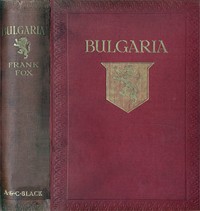
About this book
Reading guide
Themes, characters and key ideas in Bulgaria, written by Chaptra AI.
- about 8 hours
- intermediate
- Informative
- Historical
- Reflective
Frank Fox's "Bulgaria" is an early 20th-century historical account that delves into the intricate history and evolving identity of the Bulgarian nation. The narrative begins with Fox's personal experiences as a war correspondent in 1912, observing the Bulgarian army's mobilization against Turkey, and reflecting on prevalent British prejudices towards the Balkan conflict. Challenging his own initial biases, Fox embarks on a journey to understand the region's peoples, promising an honest recount of his observations. This foundational personal narrative sets the stage for a broader exploration of Bulgaria's cultural development, liberation, and its complex journey through war within the tumultuous Balkan context, ultimately aiming to provide a nuanced perspective on its people.
“(No specific quotes provided in the summary, but likely focus on reflections on identity, war, or observations of the people.)”
Key themes
- Bulgarian National Identity
- The book meticulously traces how Bulgaria's national identity has been forged through centuries of struggle, liberation from Ottoman rule, and periods of war. It explores the cultural development and unique characteristics that define the Bulgarian people in the context of the broader Balkan region, moving beyond simplistic stereotypes to reveal a nuanced understanding of their heritage and aspirations.
- Prejudice and Evolving Perspectives
- A core theme is the examination of prejudice, both the 'prevailing British attitudes toward the Balkan conflict' and the author's 'initial prejudices against the Bulgarians.' Fox explicitly acknowledges these biases and commits to an honest recounting of his observations, illustrating a journey from preconceived notions to a more informed and empathetic understanding. This theme highlights the challenge of overcoming stereotypes and the importance of direct experience in shaping one's worldview.
- The Role of the War Correspondent
- The book places the author's experiences as a war correspondent at its narrative inception, using his direct involvement in the 1912 Balkan War as a crucial lens. This highlights the unique position of the correspondent—to witness history firsthand, to interpret events for a distant audience, and to navigate the complexities of reporting on conflict while grappling with personal biases and the need for objectivity. It explores the responsibility and challenges inherent in this role.
Worth discussing
How does Fox's role as a war correspondent shape his perspective on Bulgarian history and identity?
Chapter-by-chapter breakdowns, character arcs and the full thematic analysis come with a free account.
Discussions
No one has started one yet
Questions this book opens up
No discussions yet
Be the first to start a discussion about this book!
Sign up to start the discussionReviews
No reviews yet
Be the first to review this book!