
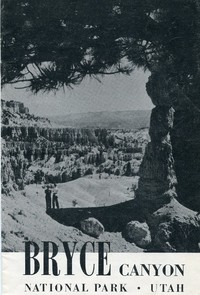
Bryce Canyon National Park, Utah (1952)
Written by United States. National Park Service
Chaptra reads alongside you — AI insights, chapter breakdowns and reader discussions for every book. Join free
About this book
Reading guide
Themes, characters and key ideas in Bryce Canyon National Park, Utah (1952), written by Chaptra AI.
- about 1 hours
- intermediate
- Informative
- Awe-inspiring
- Educational
Bryce Canyon National Park, Utah (1952) is an official guide published by the United States National Park Service, serving as a comprehensive informational pamphlet for visitors to the iconic national park. It meticulously details the park's unparalleled geological formations, primarily its distinctive hoodoos and amphitheaters, while also providing context on its natural and human history. Beyond a mere travel guide, the publication functions as a testament to the NPS's dual mission of preservation and public education, encouraging appreciation and responsible stewardship of this natural wonder. The text combines descriptive prose with practical advice, aiming to enrich the visitor's experience and understanding of Bryce Canyon's unique majesty.
“Here erosion has sculptured a wonderland of spires, pinnacles, and intricate tracery.”
Key themes
- Geological Wonder and Formation
- This is the paramount theme, focusing on the unique and awe-inspiring geological features of Bryce Canyon—primarily its hoodoos and amphitheaters—and the natural processes (erosion, weathering, uplift) that created them over millions of years. The guide aims to demystify these formations while simultaneously enhancing their mystique through scientific explanation.
- Conservation and Preservation
- Central to the mission of the National Park Service, this theme emphasizes the importance of protecting Bryce Canyon's natural and scenic values for current and future generations. It implicitly advocates for responsible visitation, minimal impact, and the long-term stewardship of national treasures.
- Education and Appreciation of Nature
- The guide's fundamental purpose is to educate visitors, transforming passive observation into active appreciation and understanding. It aims to foster a deeper connection to nature by explaining its mechanisms and history, encouraging a sense of wonder and respect for the natural world.
Worth discussing
How does the language used in this 1952 guide compare to modern interpretive materials for national parks?
Chapter-by-chapter breakdowns, character arcs and the full thematic analysis come with a free account.
Discussions
No one has started one yet
Questions this book opens up
No discussions yet
Be the first to start a discussion about this book!
Sign up to start the discussionReviews
No reviews yet
Be the first to review this book!