
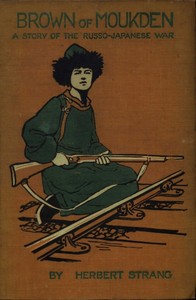
Brown of Moukden: A Story of the Russo-Japanese War
Written by Herbert Strang
Chaptra reads alongside you — AI insights, chapter breakdowns and reader discussions for every book. Join free
About this book
Reading guide
Themes, characters and key ideas in Brown of Moukden: A Story of the Russo-Japanese War, written by Chaptra AI.
- about 8 hours
- intermediate
- tense
- historical
- adventurous
Herbert Strang's "Brown of Moukden" plunges readers into the heart of the Russo-Japanese War, following the journey of Ivan Ivanovitch Brown, an Englishman caught in the geopolitical maelstrom. The narrative begins in the bustling city of Moukden, where Brown's quiet life as an expatriate is shattered by the wrongful imprisonment of his Chinese friend, Wang Shih, exposing the pervasive corruption and injustice of the era. As Brown seeks to right this personal wrong, he becomes increasingly embroiled in the larger conflict, forcing him to confront complex questions of loyalty, survival, and moral responsibility. The novel offers a multi-faceted view of the war, showcasing the human element on all sides while exploring themes of cultural understanding and the devastating impact of conflict on individuals and societies.
“"The sun dipped below the horizon, painting Moukden in hues of fire and shadow, a deceptive calm before the storm that was gathering on the distant plains."”
Key themes
- Loyalty and Betrayal
- The theme of loyalty is central, explored through Jack Brown's unwavering commitment to his friend Wang Shih, as well as the loyalties of soldiers to their nations, and the betrayals that occur both personally and politically. It questions what obligations individuals have to each other and to larger groups.
- The Horrors and Realities of War
- Beyond adventure, the novel delves into the brutal and indiscriminate nature of war, depicting its physical and psychological toll on soldiers and civilians alike. It moves beyond simplistic glorification to show the suffering, chaos, and moral compromises war demands.
- Injustice and Corruption
- The narrative highlights both personal injustice, exemplified by Wang Shih's wrongful imprisonment, and systemic corruption within the local administration. This theme underscores how abuse of power can lead to individual suffering and destabilize communities, setting the stage for broader conflict.
Worth discussing
How does the novel portray the complexities of war beyond a simple 'good vs. evil' narrative, particularly given its early 20th-century context?
Chapter-by-chapter breakdowns, character arcs and the full thematic analysis come with a free account.
Discussions
No one has started one yet
Questions this book opens up
No discussions yet
Be the first to start a discussion about this book!
Sign up to start the discussionReviews
No reviews yet
Be the first to review this book!