
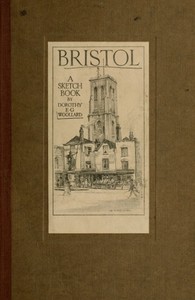
Bristol: A Sketch Book
Written by Dorothy Woollard
Chaptra reads alongside you — AI insights, chapter breakdowns and reader discussions for every book. Join free
About this book
Reading guide
Themes, characters and key ideas in Bristol: A Sketch Book, written by Chaptra AI.
- about 8 hours
- intermediate
- evocative
- historical
- appreciative
Dorothy E.G. Woollard's "Bristol: A Sketch Book" is an early 20th-century illustrated collection that meticulously explores the historic city of Bristol. Through a series of detailed sketches and accompanying descriptive text, Woollard invites readers on a visual journey, highlighting the architectural grandeur and cultural richness of landmarks like St. Mary Redcliffe and the Clifton Suspension Bridge. The book functions as both an artistic endeavor and a historical document, capturing the essence of Bristol's urban life, heritage, and unique charm. It offers a nostalgic glimpse into the city's character, fostering an appreciation for its enduring beauty and historical tapestry.
“"The ancient stones of St. Mary Redcliffe seem to whisper tales of centuries past, their intricate carvings bearing witness to enduring faith and masterful craftsmanship."”
Key themes
- Urban Heritage and Preservation
- This theme explores the historical significance of Bristol's architectural and cultural landmarks, emphasizing the importance of documenting and preserving them. Woollard's detailed sketches and descriptions highlight the beauty and historical depth of buildings and streetscapes, implicitly advocating for their continued existence and appreciation.
- Sense of Place and Local Identity
- The book meticulously crafts a strong 'sense of place' for Bristol, capturing its unique character, atmosphere, and identity. Woollard goes beyond simply listing landmarks, imbuing each location with its own spirit and contributing to a holistic portrait of the city as a distinct entity with a vibrant soul.
- The Beauty of Architecture and Design
- Woollard's book is a visual testament to the aesthetic appeal of human-made structures. Through her artistic lens, she captures the intricate details, grand scale, and unique design elements of Bristol's buildings, bridges, and urban spaces, inviting readers to appreciate architecture not just as functional but as an art form.
Worth discussing
How does the combination of illustration and text enhance (or detract from) the reader's experience of Bristol in this book?
Chapter-by-chapter breakdowns, character arcs and the full thematic analysis come with a free account.
Discussions
No one has started one yet
Questions this book opens up
No discussions yet
Be the first to start a discussion about this book!
Sign up to start the discussionReviews
No reviews yet
Be the first to review this book!