
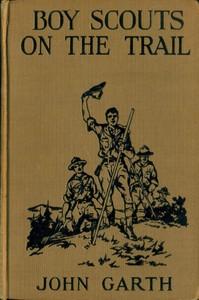
Boy Scouts on the Trail
Written by John Garth
Chaptra reads alongside you — AI insights, chapter breakdowns and reader discussions for every book. Join free
About this book
Reading guide
Themes, characters and key ideas in Boy Scouts on the Trail, written by Chaptra AI.
- about 8 hours
- intermediate
- adventurous
- wholesome
- mysterious
Set in the early 20th century, John Garth's "Boy Scouts on the Trail" chronicles the summer adventures of a group of Boy Scouts at their camp on Long Point. The narrative opens with a lively discussion about a rumored shark sighting, quickly establishing the camaraderie and humorous dynamics among scouts like Jim Cavanaugh, Steve Haddon, and the spirited Midge Willett. As the boys grapple with camp rules, particularly a swimming restriction, an underlying mystery begins to unfold, transforming their idyllic summer into a series of trials and discoveries. The story explores themes of friendship, leadership, and the courage to face both natural dangers and the unknown, all against a backdrop of outdoor adventure and youthful exuberance. Ultimately, it portrays the development of character through shared experiences and challenges in the wilderness.
“"A shark? In Long Point? Bull Taggart, you've been reading too many dime novels!"”
Key themes
- Camaraderie and Friendship
- Central to the Boy Scout ethos, this theme explores the bonds formed between the boys through shared experiences, challenges, and mutual support. It highlights how friendship fosters resilience and collective problem-solving.
- Leadership and Responsibility
- This theme examines how characters, particularly Jim Cavanaugh, step up to take charge, make decisions, and guide their peers. It also explores the responsibility that comes with authority and the challenges of leading a group through difficult situations.
- Nature and Discovery
- The wilderness of Long Point serves as both a classroom and a crucible, offering opportunities for learning about the natural world, testing survival skills, and uncovering secrets. The theme emphasizes the wonder of discovery and the respect for nature's power.
Worth discussing
How does the novel portray the ideals of the Boy Scout movement, and are these ideals still relevant today?
Chapter-by-chapter breakdowns, character arcs and the full thematic analysis come with a free account.
Discussions
No one has started one yet
Questions this book opens up
No discussions yet
Be the first to start a discussion about this book!
Sign up to start the discussionReviews
No reviews yet
Be the first to review this book!