
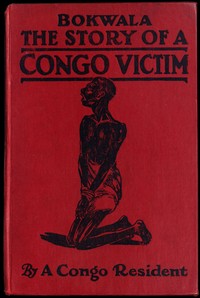
Bokwala: The Story of a Congo Victim
Written by Congo resident
Chaptra reads alongside you — AI insights, chapter breakdowns and reader discussions for every book. Join free
About this book
Reading guide
Themes, characters and key ideas in Bokwala: The Story of a Congo Victim, written by Chaptra AI.
- about 7 hours
- intermediate
- dark
- tragic
- harrowing
Bokwala: The Story of a Congo Victim is a harrowing first-person historical account from the early 20th century, chronicling the life of Bokwala, a native of the Congo. The narrative begins with his idyllic childhood in a chief's family within the village of Ekaka, a period of freedom and traditional customs that is abruptly shattered by a disregarded warning about cannibal attacks. His subsequent capture by cannibals marks the beginning of a relentless chain of enslavement and dehumanization, culminating in his brutal exploitation under the oppressive colonial rule and the infamous rubber trade. This poignant tale offers crucial insights into the devastating realities faced by the indigenous population during a time of rampant exploitation and suffering, serving as a powerful testament to the human cost of unchecked power and greed.
“My childhood was a song, then the drum of sorrow began.”
Key themes
- Colonial Exploitation and Dehumanization
- This is the central theme, exploring the brutal realities of European colonial rule in the Congo, particularly through the lens of the rubber trade. It details how indigenous populations were systematically exploited, forced into labor, mutilated, and murdered to extract resources for foreign powers. The theme highlights the complete disregard for human life and dignity inherent in such systems.
- Loss of Innocence and Freedom
- The narrative vividly portrays Bokwala's transition from a carefree childhood in a vibrant, autonomous community to a life of perpetual servitude and trauma. This theme explores the shattering of an individual's and a society's innocence, as their inherent freedom is brutally taken away, replaced by fear, suffering, and the constant struggle for survival.
- Resilience and Survival
- Despite enduring unimaginable suffering, Bokwala's narrative is also a testament to the human spirit's capacity for resilience. The theme explores the various ways individuals cope with extreme adversity, find strength to continue, and persist in the face of overwhelming odds, even if it's merely through the act of remembering and bearing witness.
Worth discussing
How does Bokwala's personal narrative challenge or confirm broader historical accounts of the Congo Free State?
Chapter-by-chapter breakdowns, character arcs and the full thematic analysis come with a free account.
Discussions
No one has started one yet
Questions this book opens up
No discussions yet
Be the first to start a discussion about this book!
Sign up to start the discussionReviews
No reviews yet
Be the first to review this book!