
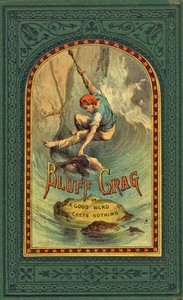
Bluff Crag; or, A Good Word Costs Nothing
Written by George Cupples
Chaptra reads alongside you — AI insights, chapter breakdowns and reader discussions for every book. Join free
About this book
Reading guide
Themes, characters and key ideas in Bluff Crag; or, A Good Word Costs Nothing, written by Chaptra AI.
- about 8 hours
- intermediate
- uplifting
- moralistic
- gentle
Mrs. George Cupples' "Bluff Crag; or, A Good Word Costs Nothing" is a late 19th-century children's novel set in a charming coastal town, exploring fundamental themes of childhood, family values, and the profound impact of kindness. The story follows young protagonist Lily as she navigates summer adventures with her Uncle John, siblings, and new friends, particularly focusing on the mischievous Patrick. Through a series of challenges and a significant accident involving Patrick, the narrative illustrates lessons on accountability, empathy, and the transformative power of a 'good word.' It serves as a moral guide, encouraging young readers to consider the weight of their actions and words in fostering positive relationships and personal growth.
“It was then Lily truly understood how a simple word, kindly offered, could mend what a thousand sharp ones had broken.”
Key themes
- The Power of Kindness and Words
- This is the central theme, explicitly highlighted in the book's subtitle. The narrative consistently demonstrates how simple acts of kindness and thoughtful, positive words can have profound and lasting impacts on individuals and relationships, fostering healing, forgiveness, and personal growth. Conversely, thoughtless or unkind words and actions are shown to cause distress and harm.
- Accountability and Consequences
- The theme of accountability is primarily explored through Patrick's character arc. His initial mischief and the serious accident that results from it serve as a clear illustration that actions, particularly thoughtless ones, have tangible consequences. The story emphasizes the importance of taking responsibility for one's mistakes and learning from them.
- Family Values and Support
- The novel underscores the importance of a supportive family unit and community in guiding children through challenges and fostering their moral development. The interactions between Lily, her siblings, and Uncle John highlight mutual care, guidance, and the strength derived from collective support and understanding.
Worth discussing
How does the setting of Bluff Crag influence the children's adventures and the lessons they learn?
Chapter-by-chapter breakdowns, character arcs and the full thematic analysis come with a free account.
Discussions
No one has started one yet
Questions this book opens up
No discussions yet
Be the first to start a discussion about this book!
Sign up to start the discussionReviews
No reviews yet
Be the first to review this book!