
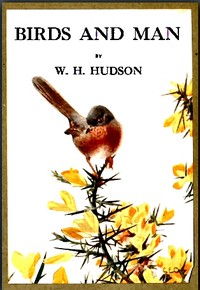
Birds and Man
Written by W. H. (William Henry) Hudson
Chaptra reads alongside you — AI insights, chapter breakdowns and reader discussions for every book. Join free
About this book
Reading guide
Themes, characters and key ideas in Birds and Man, written by Chaptra AI.
- about 10 hours
- intermediate
- reflective
- observational
- philosophical
W. H. Hudson's "Birds and Man" is a seminal late 19th-century natural history work that intricately weaves scientific observation with profound philosophical reflection on the relationship between humanity and avian life. Hudson passionately advocates for experiencing birds in their vibrant, natural habitats, contrasting this with his disdain for lifeless museum specimens. Through vivid personal anecdotes, such as his encounter with a Dartford warbler, he illustrates the deep emotional and spiritual connection possible when one truly engages with wildlife. The book serves as an early call for environmental consciousness, emphasizing the intrinsic value of nature and the ethical responsibilities humans bear towards the natural world, particularly birds.
“A stuffed bird is a dead bird, and no amount of skill can give it back the life, the spirit, the fire, the grace, which made it beautiful.”
Key themes
- The Intrinsic Value of Nature and Wildlife
- Hudson passionately argues that birds and nature possess inherent worth, independent of human utility or aesthetic appreciation. He champions the idea that living creatures, in their natural state, hold a spiritual and existential value that cannot be replicated or replaced by human artifice, such as taxidermy. This theme is central to his critique of museum displays and his advocacy for experiencing nature directly.
- The Human-Nature Relationship and Responsibility
- Hudson explores the complex and often fraught relationship between humans and the natural world, particularly how human actions impact bird populations. He highlights both the potential for harmonious coexistence and the destructive tendencies of humanity, urging for a more empathetic and responsible approach. This theme underpins his early calls for conservation and a greater understanding of ecological interconnectedness.
- The Power of Direct Observation and Emotional Connection
- Hudson champions direct, immersive observation of nature as the most profound way to understand and appreciate wildlife. He argues that intellectual knowledge alone is insufficient; true understanding comes from emotional engagement and a personal connection forged through witnessing creatures in their natural state. This theme underscores the value of firsthand experience over mediated or artificial representations.
Worth discussing
How does Hudson's distinction between living birds and museum specimens inform his broader philosophy about nature?
Chapter-by-chapter breakdowns, character arcs and the full thematic analysis come with a free account.
Discussions
No one has started one yet
Questions this book opens up
No discussions yet
Be the first to start a discussion about this book!
Sign up to start the discussionReviews
No reviews yet
Be the first to review this book!