
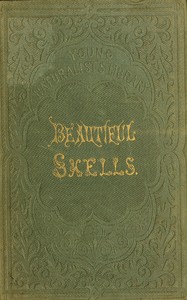
Beautiful shells : $b Their nature, structure, and uses familiarly explained; with directions for collecting, cleaning, and arranging them in the cabinet; descriptions of the most remarkable species, and of the creatures which inhabit them; and explanations of the meanings of their scientific names, and of the terms used in conchology
Written by H. G. (Henry Gardiner) Adams
Chaptra reads alongside you — AI insights, chapter breakdowns and reader discussions for every book. Join free
About this book
Reading guide
Themes, characters and key ideas in Beautiful shells : $b Their nature, structure, and uses familiarly explained; with directions for collecting, cleaning, and arranging them in the cabinet; descriptions of the most remarkable species, and of the creatures which inhabit them; and explanations of the meanings of their scientific names, and of the terms used in conchology, written by Chaptra AI.
- about 12 hours
- intermediate
- Informative
- Educational
- Detailed
H.G. Adams's "Beautiful Shells" is a foundational mid-19th-century scientific treatise on conchology, meticulously detailing the nature, structure, and uses of shells. It serves as both an educational guide for understanding marine invertebrates and a practical manual for amateur and experienced collectors. The book systematically explores shell classifications, the biology of their inhabitants, and provides comprehensive instructions for collecting, cleaning, and curating specimens. Furthermore, Adams contextualizes shells historically and culturally, highlighting their diverse roles from ornamentation to currency across various civilizations, making it a holistic resource for appreciating these natural wonders.
“The shell, in its exquisite variety and intricate structure, stands as a testament to the boundless ingenuity of nature.”
Key themes
- The Beauty and Intricacy of Nature
- This theme explores the profound aesthetic appeal and complex design inherent in natural objects, particularly shells. Adams emphasizes the 'beautiful' aspect of shells, detailing their varied forms, colors, textures, and structures as marvels of natural creation. He encourages readers not just to classify, but to appreciate the artistry of the natural world.
- Scientific Classification and Understanding
- Central to the book is the systematic approach to natural history, focusing on the classification, structure, and biological context of shells. Adams provides definitions, explains scientific nomenclature, and delves into the characteristics of various shell types and their inhabitants, promoting a structured understanding of the natural world.
- Amateur Naturalism and Practical Application
- The book serves as a practical guide for amateur naturalists, providing detailed instructions on how to engage with the natural world through collecting, cleaning, and arranging specimens. This theme underscores the value of hands-on experience and active participation in scientific inquiry, making natural history accessible to a broader public.
Worth discussing
How does Adams balance scientific accuracy with an accessible, 'familiarly explained' approach, and how effective is this balance?
Chapter-by-chapter breakdowns, character arcs and the full thematic analysis come with a free account.
Discussions
No one has started one yet
Questions this book opens up
No discussions yet
Be the first to start a discussion about this book!
Sign up to start the discussionReviews
No reviews yet
Be the first to review this book!