
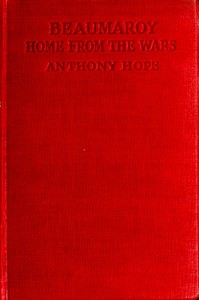
Beaumaroy Home from the Wars
Written by Anthony Hope
Chaptra reads alongside you — AI insights, chapter breakdowns and reader discussions for every book. Join free
About this book
Reading guide
Themes, characters and key ideas in Beaumaroy Home from the Wars, written by Chaptra AI.
- about 9 hours
- intermediate
- introspective
- mysterious
- social commentary
Anthony Hope's "Beaumaroy Home from the Wars" delves into the intricate lives of individuals in the quaint village of Inkston, following the return of soldier Hector Beaumaroy. The narrative primarily focuses on Doctor Mary Arkroyd, a pioneering female physician, and her friend Cynthia Walford, as they navigate personal and professional challenges amidst post-war societal shifts. A mysterious older man, Mr. Saffron, and the scandalous past of Captain Eustace Cranster complicate their interactions, hinting at deeper secrets. The novel explores themes of societal reintegration, gender roles, and the weight of personal histories, all set against a backdrop of burgeoning relationships and moral introspection.
“"Home is not merely a place, but a state of mind one must re-learn after the chaos of absence."”
Key themes
- Post-War Adjustment and Trauma
- The novel deeply explores the psychological and social challenges faced by soldiers returning from war. Beaumaroy's struggle to reintegrate into civilian life, his quiet introspection, and the difficulty of relating his experiences to those who stayed home highlight the profound impact of conflict on the individual psyche and the community's capacity to understand.
- Gender Roles and Professionalism
- Through Doctor Mary Arkroyd, the novel scrutinizes the rigid gender roles of the early 20th century and the formidable obstacles faced by women seeking professional careers. Mary's fight for respect and recognition in a male-dominated field, balancing societal expectations with her professional competence, is a central thematic thread.
- Secrets, Reputation, and Social Judgment
- The novel meticulously dissects how secrets, past scandals, and societal judgment shape individual lives and community dynamics. Characters like Mr. Saffron and Captain Cranster embody the pervasive influence of hidden truths and the fragility of reputation, forcing others to confront the consequences of concealed histories.
Worth discussing
How does Beaumaroy's experience of returning from war reflect broader societal attitudes towards soldiers during the early 20th century?
Chapter-by-chapter breakdowns, character arcs and the full thematic analysis come with a free account.
Discussions
No one has started one yet
Questions this book opens up
No discussions yet
Be the first to start a discussion about this book!
Sign up to start the discussionReviews
No reviews yet
Be the first to review this book!