
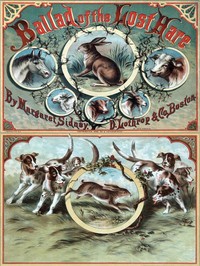
Ballad of the Lost Hare
Written by Margaret Sidney
Chaptra reads alongside you — AI insights, chapter breakdowns and reader discussions for every book. Join free
About this book
Reading guide
Themes, characters and key ideas in Ballad of the Lost Hare, written by Chaptra AI.
- about 8 hours
- beginner
- whimsical
- adventurous
- cautionary
Ballad of the Lost Hare" by Margaret Sidney is a late 19th-century children's poem chronicling the adventures of a mischievous young hare. Ignoring his family's warnings, the hare revels in reckless freedom, constantly evading perceived dangers from various animals he encounters. His carefree spirit and love for mischief lead him to perpetually race through the natural world. Ultimately, his heedlessness culminates in him becoming a lost and homeless creature, prompting a poignant contemplation of his wandering existence and a suggested longing for the warmth of home and belonging over endless adventure.
“Oh, the little hare, so quick and bold, / A tale of mischief, bravely told!”
Key themes
- Consequences of Heedlessness
- Central to the poem's didactic purpose is the exploration of how unchecked impulsiveness and a disregard for warnings can lead to undesirable outcomes. The hare's journey serves as a clear, gentle cautionary tale about the importance of foresight and prudence.
- Freedom vs. Responsibility
- The poem explores the allure of unbridled freedom, epitomized by the hare's constant escapes and joy in evasion. However, it subtly contrasts this with the implied responsibilities of family and belonging, suggesting that true freedom might necessitate a balance with accountability.
- Belonging and Home
- While the hare initially rejects his home for adventure, the narrative subtly shifts towards a contemplation of his 'wandering existence' and a 'suggested sense of longing for home and family.' This theme highlights the inherent human (and animal) need for security, love, and a place to belong.
Worth discussing
Discuss the concept of freedom as portrayed by the hare. Is true freedom limitless, or does it come with responsibilities?
Chapter-by-chapter breakdowns, character arcs and the full thematic analysis come with a free account.
Discussions
No one has started one yet
Questions this book opens up
No discussions yet
Be the first to start a discussion about this book!
Sign up to start the discussionReviews
No reviews yet
Be the first to review this book!