
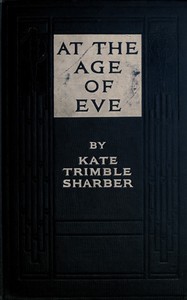
At the Age of Eve
Written by Kate Trimble Sharber
Chaptra reads alongside you — AI insights, chapter breakdowns and reader discussions for every book. Join free
About this book
Reading guide
Themes, characters and key ideas in At the Age of Eve, written by Chaptra AI.
- about 6 hours
- intermediate
- romantic
- charming
- nostalgic
Sharber's "At the Age of Eve," published in 1911, is a charming coming-of-age novel that likely follows a young woman's journey of self-discovery and first love as she navigates the transition from innocent girlhood to the complexities of adulthood. Set against the backdrop of early 20th-century American society, the story explores themes of societal expectations, personal freedom, and the awakening of romantic feelings. It is presumed to be a lighthearted yet insightful exploration of a young woman's initial encounters with the 'garden' of life, marked by both its temptations and its profound beauty. The narrative likely balances humor with moments of earnest introspection, reflecting the social mores and romantic ideals of its era.
“"It seemed to Eve that the whole world had suddenly burst into bloom, much like her own heart."”
Key themes
- Innocence and Experience
- This central theme explores the protagonist's transition from a state of youthful naiveté to a more mature understanding of love, relationships, and societal complexities. It delves into the loss of innocence not as a fall from grace, but as a necessary step towards self-awareness and genuine connection.
- Love and Courtship
- The novel meticulously portrays the rituals, expectations, and emotional landscape of courtship in the early 20th century. It examines different forms of affection—from infatuation to deep, abiding love—and the societal pressures surrounding marriage and partnership.
- Female Identity and Societal Roles
- The book explores the limited yet evolving roles available to women in the early 1900s. It subtly questions or affirms the expectations placed upon women regarding marriage, domesticity, and personal fulfillment, often through the protagonist's internal reflections and choices.
Worth discussing
How does the novel portray the societal expectations placed upon young women at the turn of the 20th century?
Chapter-by-chapter breakdowns, character arcs and the full thematic analysis come with a free account.
Discussions
No one has started one yet
Questions this book opens up
No discussions yet
Be the first to start a discussion about this book!
Sign up to start the discussionReviews
No reviews yet
Be the first to review this book!