
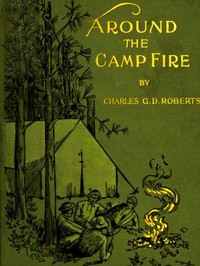
Around the Camp-fire
Written by Charles G. D. Roberts
Chaptra reads alongside you — AI insights, chapter breakdowns and reader discussions for every book. Join free
About this book
Reading guide
Themes, characters and key ideas in Around the Camp-fire, written by Chaptra AI.
- about 8 hours
- intermediate
- adventurous
- reflective
- nostalgic
Around the Camp-fire by Sir Charles G. D. Roberts is a captivating late 19th-century collection of wilderness adventure stories, centered on six canoeists escaping urban life for the New Brunswick wilds. The narrative intricately weaves vivid descriptions of the natural world and thrilling encounters with wildlife with the ancient tradition of oral storytelling around evening campfires. Through the shared experiences and recounted tales of past exploits by Stranion, Magnus, Queerman, Sam, Ranolf, and the unnamed narrator, the book profoundly explores themes of male camaraderie, the awe and challenge of the natural world, and the enduring power of narrative. It stands as both an exciting adventure log and a poignant homage to the Canadian wilderness and the profound value of shared human experience.
“The wilderness, my friends, is not merely a place, but a state of being, where the soul finds its truest voice.”
Key themes
- Man's Relationship with the Wilderness
- This theme explores the multifaceted ways humans interact with and perceive the untamed natural world. Roberts presents the wilderness as both a source of profound beauty, spiritual solace, and thrilling adventure, as well as a challenging, sometimes perilous environment that demands respect, skill, and resilience. The characters seek an escape from civilization, finding a deeper connection to primal instincts and natural rhythms, yet they also engage in activities like hunting, reflecting a late 19th-century view of man's dominion over nature.
- Camaraderie and Friendship
- The strong bonds of friendship and male camaraderie are central to the book, serving as the emotional core of the narrative. The shared journey, the mutual reliance in challenging wilderness conditions, and especially the nightly ritual of storytelling foster a deep sense of connection, understanding, and loyalty among the six canoeists. This theme highlights how shared experiences, vulnerabilities, and narratives strengthen human relationships.
- The Power of Storytelling and Oral Tradition
- Storytelling is not merely an activity but a fundamental element of the book's structure and thematic depth. The campfire tales serve multiple purposes: entertainment, education (passing on wilderness knowledge), emotional processing (dealing with fear or excitement), and strengthening social ties. It underscores the primal human need for narrative to make sense of the world, preserve memory, and connect individuals across time and experience.
Worth discussing
How does the act of storytelling contribute to the characters' bond and their understanding of the wilderness?
Chapter-by-chapter breakdowns, character arcs and the full thematic analysis come with a free account.
Discussions
No one has started one yet
Questions this book opens up
No discussions yet
Be the first to start a discussion about this book!
Sign up to start the discussionReviews
No reviews yet
Be the first to review this book!