
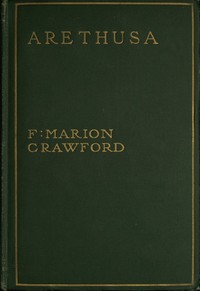
Arethusa
Written by F. Marion (Francis Marion) Crawford
Chaptra reads alongside you — AI insights, chapter breakdowns and reader discussions for every book. Join free
About this book
Reading guide
Themes, characters and key ideas in Arethusa, written by Chaptra AI.
- about 8 hours
- intermediate
- Historical
- Intriguing
- Dramatic
F. Marion Crawford's "Arethusa" transports readers to the tumultuous 14th-century Constantinople, where Venetian merchant Carlo Zeno grapples with his past and the city's intricate social fabric. The novel intricately weaves themes of identity, survival, and social class through Zeno's journey, which is profoundly shaped by a request to purchase a slave girl. This request intertwines his fate with that of Zoë, a young woman struggling against abject poverty, forcing Zeno to confront moral dilemmas surrounding human dignity and freedom. Crawford masterfully uses the vibrant yet volatile backdrop of the Byzantine Empire to explore universal human experiences of privilege, despair, and the search for one's true self amidst societal chaos.
“"In Constantinople, a man could shed his past like an old cloak, but the shadows of it often clung to his very soul."”
Key themes
- Slavery and Freedom
- The novel directly confronts the institution of slavery in 14th-century Constantinople, exploring its economic underpinnings, ethical implications, and devastating human cost. It examines not only literal bondage but also the various forms of economic and social unfreedom experienced by the poor.
- Identity and Self-Discovery
- Both Carlo Zeno and Zoë undergo significant journeys of self-discovery. Zeno grapples with his 'colorful past' and seeks to define himself beyond it, while Zoë struggles to maintain her dignity and sense of self amidst extreme hardship and the threat of dehumanization.
- Social Class and Inequality
- The novel vividly contrasts the lives of the privileged merchant class with the abject poverty of the city's underbelly. It highlights the stark divisions, the lack of mobility, and the systemic injustices that define the lives of the rich and the poor.
Worth discussing
How does Carlo Zeno's 'colorful past' influence his actions and moral choices throughout the novel?
Chapter-by-chapter breakdowns, character arcs and the full thematic analysis come with a free account.
Discussions
No one has started one yet
Questions this book opens up
No discussions yet
Be the first to start a discussion about this book!
Sign up to start the discussionReviews
No reviews yet
Be the first to review this book!