
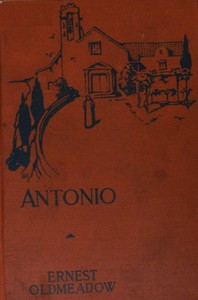
Antonio
Written by Ernest Oldmeadow
Chaptra reads alongside you — AI insights, chapter breakdowns and reader discussions for every book. Join free
About this book
Reading guide
Themes, characters and key ideas in Antonio, written by Chaptra AI.
- about 10 hours
- intermediate
- contemplative
- somber
- historical
Ernest Oldmeadow's "Antonio" is an early 20th-century historical novel set in tumultuous 19th-century Portugal, following a young monk, Antonio, as he navigates the profound challenges to his faith and calling amidst civil strife. The narrative opens with Antonio reflecting on his newfound priesthood and the fragile peace within his monastery, a calm soon shattered by the arrival of soldiers, foreshadowing the inevitable clash between spiritual devotion and worldly conflict. The novel delves deep into Antonio's internal struggles with doubt and temptation, testing his commitment to his monastic vows against the backdrop of a nation torn by war. It explores universal themes of peace, duty, sacrifice, and the unwavering pursuit of one's beliefs in the face of overwhelming external chaos, culminating in a poignant exploration of what it truly means to serve God and humanity.
“"Peace, I had learned, was not merely the absence of war, but a fortress built within the soul, constantly besieged."”
Key themes
- Faith vs. Doubt
- This theme explores Antonio's internal struggle with his religious conviction and the temptations he faces, both before and during his priesthood. The civil strife forces him to confront whether his faith can withstand external pressures and personal suffering, challenging him to find a deeper, more resilient belief.
- Peace vs. War/Civil Strife
- The central conflict of the novel is the clash between the serene, ordered life of the monastery and the violent, chaotic political landscape of 19th-century Portugal. The theme explores the nature of peace—whether it is an internal state, an external condition, or something that must be actively fought for or preserved.
- Duty and Sacrifice
- This theme examines the various forms of duty—to God, to one's vows, to one's community, and to humanity—and the sacrifices required to fulfill them. Antonio's journey forces him to redefine his understanding of priestly duty beyond the cloister, often demanding personal comfort, safety, and even life itself.
Worth discussing
How does Antonio's understanding of 'peace' evolve throughout the novel, and how does it differ from the world's definition?
Chapter-by-chapter breakdowns, character arcs and the full thematic analysis come with a free account.
Discussions
No one has started one yet
Questions this book opens up
No discussions yet
Be the first to start a discussion about this book!
Sign up to start the discussionReviews
No reviews yet
Be the first to review this book!