
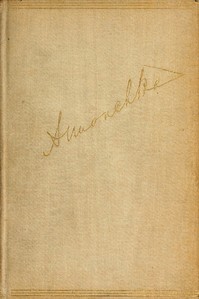
Annouchka: A Tale
Written by Ivan Sergeevich Turgenev
Chaptra reads alongside you — AI insights, chapter breakdowns and reader discussions for every book. Join free
About this book
Reading guide
Themes, characters and key ideas in Annouchka: A Tale, written by Chaptra AI.
- about 3 hours
- intermediate
- melancholy
- romantic
- introspective
Ivan Turgenev's "Annouchka: A Tale" (a lesser-known work, often considered a novella or long short story) likely delves into the poignant world of its titular heroine, Annouchka, a young woman navigating the complexities of love, social expectations, and personal yearning in rural Russia. Characteristic of Turgenev, the narrative probably explores themes of unrequited affection, the disillusionment of youth, and the quiet tragedies inherent in societal constraints, all set against a beautifully rendered natural backdrop. The story would likely center on Annouchka's emotional journey and her interactions with an observing, often melancholic, male figure. It serves as a microcosm of Turgenev's broader exploration of the Russian gentry and the psychological landscapes of his characters.
“"The heart has its reasons of which reason knows nothing."”
Key themes
- Unrequited Love and Fated Love
- A central theme in Turgenev's work, this tale likely explores the profound pain and beauty of love that cannot be reciprocated or realized due to external circumstances or internal complexities. It delves into the idea that some loves are fated to be tragic or unfulfilled, leaving a lasting impact on the characters' lives and psyches.
- Social Constraints and Class Differences
- Turgenev consistently highlights how the rigid social structures and class distinctions of 19th-century Russia impede personal happiness and freedom. In 'Annouchka,' these constraints likely play a crucial role in preventing the realization of love or personal aspirations, forcing characters into predefined roles or limiting their choices.
- The Idealism of Youth vs. Harsh Realities
- The tale likely explores the transition from the hopeful, often naive, idealism of youth to the sobering acceptance of life's limitations and disappointments. Annouchka, as a young woman, would embody this idealism, only to confront the harsh truths of love, loss, and societal pressures, leading to a more mature but often melancholic worldview.
Worth discussing
How does Turgenev use the Russian landscape to mirror Annouchka's inner emotional state?
Chapter-by-chapter breakdowns, character arcs and the full thematic analysis come with a free account.
Discussions
No one has started one yet
Questions this book opens up
No discussions yet
Be the first to start a discussion about this book!
Sign up to start the discussionReviews
No reviews yet
Be the first to review this book!