
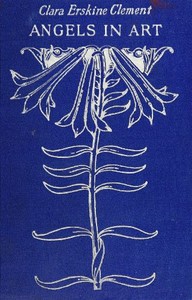
Angels in Art
Written by Clara Erskine Clement Waters
Chaptra reads alongside you — AI insights, chapter breakdowns and reader discussions for every book. Join free
About this book
Reading guide
Themes, characters and key ideas in Angels in Art, written by Chaptra AI.
- about 8 hours
- intermediate
- informative
- scholarly
- descriptive
Clara Erskine Clement Waters' "Angels in Art" is a comprehensive non-fiction work that meticulously documents and analyzes the artistic representations of angels across various historical periods and cultures. The book serves as an art historical survey, tracing the evolution of angelic iconography from ancient origins through early Christian, Byzantine, Renaissance, Baroque, and modern art. Waters delves into the theological, mythological, and artistic interpretations of these celestial beings, examining their symbolic attributes, roles, and the diverse ways artists have sought to capture their divine essence. It offers a rich visual and descriptive guide for understanding the profound spiritual and cultural significance of angels in artistic expression.
“"The celestial messenger, in all ages and civilizations, has stirred the human imagination, inspiring forms of beauty and awe."”
Key themes
- Evolution of Iconography
- This theme explores how the visual representation of angels changed across different artistic periods, theological understandings, and cultural contexts. Waters traces the development from early, often human-like forms to the more elaborate, winged, and ethereal beings of later eras, highlighting the continuous reinterpretation of a sacred motif.
- Divine Communication and Mediation
- The book inherently explores angels as mediators between the divine and human realms. Artists consistently depict angels in roles that emphasize their function as messengers, guardians, or intercessors, visually articulating humanity's desire to connect with or understand the sacred.
- Aesthetic Representation of the Unseen
- Waters' work implicitly examines the artistic challenge and triumph of rendering abstract spiritual concepts and invisible beings into tangible visual forms. It highlights how artists utilized techniques of light, shadow, form, and composition to convey divinity, purity, power, and grace.
Worth discussing
How does the depiction of angels in art reflect changing theological beliefs and cultural values over time?
Chapter-by-chapter breakdowns, character arcs and the full thematic analysis come with a free account.
Discussions
No one has started one yet
Questions this book opens up
No discussions yet
Be the first to start a discussion about this book!
Sign up to start the discussionReviews
No reviews yet
Be the first to review this book!