
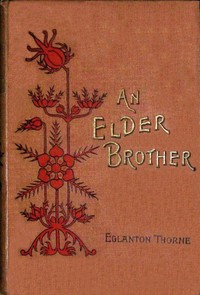
An elder brother
Written by Eglanton Thorne
Chaptra reads alongside you — AI insights, chapter breakdowns and reader discussions for every book. Join free
About this book
Reading guide
Themes, characters and key ideas in An elder brother, written by Chaptra AI.
- about 9 hours
- intermediate
- reflective
- poignant
- moral
Eglanton Thorne's late 19th-century novel, "An Elder Brother," centers on Michael Betts, a reclusive Bloomsbury bookseller whose solitary existence is profoundly disrupted by the innocent curiosity of young Margery. Her request for "Pilgrim's Progress" sparks an intense period of self-reflection, compelling Michael to confront his deep-seated loneliness, unresolved familial estrangement, and rigid moral convictions. As Margery faces personal tragedy, Michael finds himself drawn into her life, challenging his long-held notions of right and wrong. The narrative ultimately portrays a transformative journey from isolation to connection, highlighting the redemptive power of empathy and human interaction.
“"A man could lose himself among books, and perhaps, in losing himself, find a truer solitude than any mountain peak could offer."”
Key themes
- Loneliness and Isolation
- The novel deeply explores the psychological and emotional impact of self-imposed and circumstantial loneliness. Michael Betts's initial existence is one of profound isolation, where books serve as his only companions. This theme is contrasted with the loneliness experienced by Margery after her father's death, highlighting different facets of human solitude and the universal need for connection.
- Moral Dilemmas and Redemption
- Central to Michael's character arc is his confrontation with his own moral rigidity and the complex nature of right and wrong. The novel examines how personal experiences and past judgments shape one's moral compass, and the possibility of finding redemption through acts of compassion and selflessness. 'Pilgrim's Progress' acts as a symbolic guide for Michael's own journey of moral re-evaluation.
- Familial Relationships and Duty
- The novel explores the complexities and burdens of familial bonds, particularly through Michael's unresolved relationship with his estranged brother. It also highlights the responsibility and duty that familial ties entail, as seen in Michael's eventual acceptance of a protective role towards Margery and her brother, who represent a new, surrogate family.
Worth discussing
How does Michael Betts's physical environment (his bookshop in Bloomsbury) reflect his internal state at the beginning of the novel?
Chapter-by-chapter breakdowns, character arcs and the full thematic analysis come with a free account.
Discussions
No one has started one yet
Questions this book opens up
No discussions yet
Be the first to start a discussion about this book!
Sign up to start the discussionReviews
No reviews yet
Be the first to review this book!