
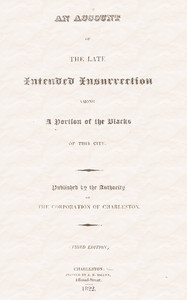
An Account of the Late Intended Insurrection among a Portion of the Blacks of this City
Written by Charleston (S.C.),James Hamilton
Chaptra reads alongside you — AI insights, chapter breakdowns and reader discussions for every book. Join free
About this book
Reading guide
Themes, characters and key ideas in An Account of the Late Intended Insurrection among a Portion of the Blacks of this City, written by Chaptra AI.
- about 8 hours
- advanced
- somber
- tense
- historical
An Account of the Late Intended Insurrection among a Portion of the Blacks of this City is a primary historical document chronicling the Denmark Vesey slave conspiracy of 1822 in Charleston, South Carolina. Published by city authorities, it details the discovery of the plot, the subsequent investigations, the trials of the alleged conspirators, and the judicial outcomes. The text serves as an official record, aiming to justify the city's actions and provide a definitive narrative of the averted uprising. It offers invaluable, albeit biased, insights into the fears of the white planter class, the mechanisms of social control, and the inherent tensions of a slave society in the antebellum South.
“"An account of the late intended insurrection among a portion of the blacks of this City, published by the authority of the Corporation of Charleston."”
Key themes
- Rebellion and Resistance
- This is the central theme, exploring the organized effort by enslaved and free black individuals to violently overthrow the system of slavery. The account, while condemning the rebellion, inherently documents the desperate human desire for freedom and the lengths to which oppressed people will go to achieve it. It highlights the perceived threat of such resistance to the established social order.
- Social Control and Order
- This theme focuses on the methods employed by the dominant white society to maintain its hierarchical structure and suppress any challenges to the institution of slavery. It encompasses the swift, decisive, and often brutal actions taken by authorities to identify, prosecute, and punish those involved in the insurrection, thereby reasserting control.
- Justice and Injustice
- This theme examines the legal processes and outcomes from contrasting perspectives. From the official viewpoint, justice was served through the swift identification and punishment of traitors. However, from a critical historical perspective, the trials were marked by severe procedural injustices, including the lack of impartial juries, reliance on coerced confessions, and the denial of basic rights to the accused, highlighting the inherent injustice of a system that tried to maintain slavery through force.
Worth discussing
How does the historical context of Charleston in 1822 shape the narrative and interpretation of events in this account?
Chapter-by-chapter breakdowns, character arcs and the full thematic analysis come with a free account.
Discussions
No one has started one yet
Questions this book opens up
No discussions yet
Be the first to start a discussion about this book!
Sign up to start the discussionReviews
No reviews yet
Be the first to review this book!