
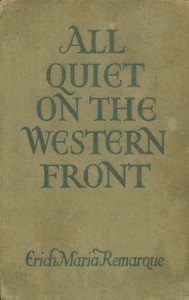
All quiet on the Western Front
Written by Erich Maria Remarque
Chaptra reads alongside you — AI insights, chapter breakdowns and reader discussions for every book. Join free
About this book
Read it with a club
Chaptra's history and war clubs — small groups reading the same books and talking as they go.


Footnotes & Firefights
History and war
- 4 members
- 4 discussions
- Active Sep 11
Military history, from grand strategy down to the deeply boring logistics that actually decided everything. This is a Chaptra house club — set up and moderated by us to get the conversation going. Open to everyone; jump in anywhere.
Read All quiet on the Western Front alongside people who are reading it too.
Also here: Empire, Reconsidered
Chaptra Prime — paid clubs, every club feature, and unlimited reading support, for $5 a month or $60 once.
See PrimeReading guide
Themes, characters and key ideas in All quiet on the Western Front, written by Chaptra AI.
- about 8 hours
- intermediate
- dark
- somber
- disillusioned
Erich Maria Remarque's "All Quiet on the Western Front" is a searing anti-war novel told through the eyes of Paul Bäumer, a young German soldier fighting in World War I. It vividly portrays the psychological and physical horrors of trench warfare, stripping away any romanticized notions of glory and heroism. The narrative follows Paul and his comrades as they endure relentless bombardments, starvation, and the constant threat of death, leading to a profound disillusionment with the world that sent them to war. The book meticulously details the devastating impact of conflict on a generation of young men, who are irrevocably transformed into a 'lost generation,' unable to reintegrate into civilian life. Ultimately, it stands as a timeless testament to the brutal realities of war and its dehumanizing effects.
“We are forlorn like children, and experienced like old men, we are crude and sorrowful and superficial – I believe we are lost.”
Key themes
- The Lost Generation
- This theme explores how the young men who fought in WWI were forever alienated from civilian life and their own youth. They left school as boys and returned as hardened, traumatized veterans, unable to reintegrate into a society that did not understand their experiences. They lost their innocence, their future, and their sense of purpose.
- The Brutality and Dehumanization of War
- Remarque vividly portrays the physical and psychological horrors of trench warfare, stripping away any romanticized notions of glory. The war reduces soldiers to primal instincts, forcing them to kill and survive at all costs, blurring the lines between humanity and animality. It highlights the sheer waste of human life and the indiscriminate nature of death.
- Camaraderie and Brotherhood
- Amidst the overwhelming horrors of war, the deep bonds of friendship and loyalty among the soldiers provide their only source of comfort, strength, and reason for survival. This brotherhood is forged in shared suffering and mutual dependence, becoming more significant than family or nation.
Worth discussing
How does Remarque challenge the traditional heroic narrative of war? What aspects of the soldier's experience does he emphasize instead?
Chapter-by-chapter breakdowns, character arcs and the full thematic analysis come with a free account.
Discussions
No one has started one yet
Questions this book opens up
No discussions yet
Be the first to start a discussion about this book!
Sign up to start the discussionReviews
No reviews yet
Be the first to review this book!