
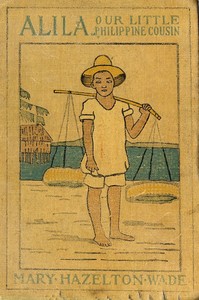
Alila, Our Little Philippine Cousin
Written by Mary Hazelton Blanchard Wade
Chaptra reads alongside you — AI insights, chapter breakdowns and reader discussions for every book. Join free
About this book
Reading guide
Themes, characters and key ideas in Alila, Our Little Philippine Cousin, written by Chaptra AI.
- about 8 hours
- beginner
- uplifting
- educational
- innocent
Mary Hazelton Blanchard Wade's "Alila, Our Little Philippine Cousin" is a juvenile fiction novel from the early 20th century, offering young readers a vivid cultural exploration of life in the Philippine Islands through the eyes of a young Tagal boy named Alila. The narrative follows Alila from his birth and christening through his daily adventures, which include hunting, fishing, helping on a sugar plantation, and interacting with local wildlife, particularly a tame buffalo. The book richly details the traditions, family bonds, and community spirit within Alila's village, painting a picture of childhood in a distinct cultural setting. It serves as an educational tool, introducing readers to the customs and natural beauty of the Philippines while emphasizing themes of family, nature, and cultural identity.
“"In the sunny Philippine Islands, where the palms whisper secrets to the breeze, lived a little boy named Alila."”
Key themes
- Cultural Exploration and Understanding
- This is the overarching theme, as the book's primary purpose is to introduce young readers to the life and customs of the Tagal people in the Philippines. It aims to foster an appreciation for different cultures by detailing daily activities, traditions, and societal norms through Alila's experiences.
- Childhood and Innocence
- The narrative focuses on Alila's formative years, capturing the universal aspects of childhood – curiosity, play, learning, and the simple joys of discovery – within a specific cultural context. It highlights the innocence of youth and the process of growing up within a supportive community.
- Family and Community
- The book strongly emphasizes the vital role of family and the broader community in Alila's life. His experiences are deeply intertwined with his parents, relatives, and fellow villagers, highlighting collective well-being, mutual support, and the transmission of traditions across generations.
Worth discussing
How does the book portray the daily life and traditions of the Tagal people? Are there any aspects that seem idealized or simplified?
Chapter-by-chapter breakdowns, character arcs and the full thematic analysis come with a free account.
Discussions
No one has started one yet
Questions this book opens up
No discussions yet
Be the first to start a discussion about this book!
Sign up to start the discussionReviews
No reviews yet
Be the first to review this book!