
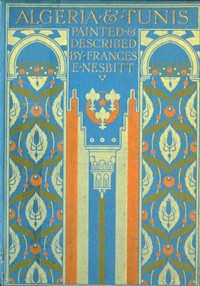
Algeria and Tunis
Written by Frances E. Nesbitt
Chaptra reads alongside you — AI insights, chapter breakdowns and reader discussions for every book. Join free
About this book
Reading guide
Themes, characters and key ideas in Algeria and Tunis, written by Chaptra AI.
- about 9 hours
- intermediate
- exploratory
- descriptive
- historical
Frances E. Nesbitt's "Algeria and Tunis" is an early 20th-century travel memoir offering a vivid exploration of North Africa. The book immerses readers in the diverse cultures, striking landscapes, and rich historical tapestry of Algeria and Tunis, detailing the author's personal experiences. Nesbitt skillfully navigates the inherent contrasts between emerging modernity and entrenched traditions within these vibrant cities and regions. Beginning with her arrival in Algiers, the narrative captures the city's unique blend of European influence and Eastern heritage, setting the tone for a journey filled with historical reflection and cultural discovery. It serves as a valuable snapshot of the region through the eyes of an early 20th-century traveler.
“Algiers, a city of striking contrasts, unfolded before me, a vibrant tapestry woven with the threads of ancient tradition and burgeoning modernity.”
Key themes
- Cultural Encounter and Observation
- This theme is central to the travel memoir, as Nesbitt meticulously observes and describes the daily life, customs, and interactions of the people in Algeria and Tunis. It explores the author's engagement with cultures distinct from her own, focusing on sensory details and personal interpretations of cultural practices and social structures.
- Modernity vs. Tradition
- Explicitly mentioned in the summary, this theme explores the dynamic tension and coexistence of old and new within the North African cities. Nesbitt navigates how ancient customs and historical legacies persist alongside the advent of modern infrastructure, European influences, and changing societal norms.
- Historical Reflection and Significance
- The book delves into the rich historical background of Algeria and Tunis, acknowledging the layers of history that have shaped the region. Nesbitt connects the present-day landscape and culture to its past, reflecting on the enduring legacy of various civilizations and events.
Worth discussing
How does Nesbitt's perspective as an early 20th-century European traveler shape her observations of Algeria and Tunis? What might be missing or biased in her account?
Chapter-by-chapter breakdowns, character arcs and the full thematic analysis come with a free account.
Discussions
No one has started one yet
Questions this book opens up
No discussions yet
Be the first to start a discussion about this book!
Sign up to start the discussionReviews
No reviews yet
Be the first to review this book!