
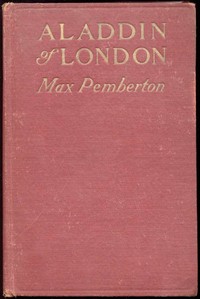
Aladdin of London; Or, Lodestar
Written by Max Pemberton
Chaptra reads alongside you — AI insights, chapter breakdowns and reader discussions for every book. Join free
About this book
Read it with a club
Small groups reading the same books and talking as they go.


News
- 4 members
- 1,813 discussions
- Active Sep 11
Read Aladdin of London; Or, Lodestar alongside people who are reading it too.
Also here: News Bulletin, Just Joking....
Chaptra Prime — paid clubs, every club feature, and unlimited reading support, for $5 a month or $60 once.
See PrimeReading guide
Themes, characters and key ideas in Aladdin of London; Or, Lodestar, written by Chaptra AI.
- about 8 hours
- intermediate
- Gritty
- Romantic
- Introspective
Max Pemberton's "Aladdin of London; Or, Lodestar" plunges readers into the stark class divisions of early 20th-century London, following Alban Kennedy, a young man grappling with his aristocratic lineage amidst the grinding poverty of the East End. The narrative opens with the impassioned plea of Paul Boriskoff, a Polish refugee, whose tale of betrayal and injustice ignites a desire for redemption among a diverse assembly of exiles. Alban's journey is a quest for identity and belonging, as he navigates the chasm between the elite and the impoverished, hinted at finding both romantic connection with Lois Boriskoff and a deeper purpose. The novel explores themes of societal turmoil, personal ambition, and the enduring human spirit in its search for a guiding light, or 'lodestar,' in a world of stark contrasts.
“"In the labyrinthine alleys of the East End, where shadows clung like forgotten dreams, a young man's heart beat with the forgotten rhythm of a noble past."”
Key themes
- Class Struggle and Social Injustice
- This theme is central to the novel, starkly depicted through the contrast between Alban Kennedy's aristocratic heritage and his present poverty in the grim East End. The impassioned speech of Paul Boriskoff, detailing his sufferings due to betrayal and injustice, further amplifies the exploration of systemic inequalities and the plight of the disenfranchised, including refugees and socio-political exiles.
- Identity and Belonging
- Alban Kennedy's central conflict revolves around his dual identity: his aristocratic bloodline versus his life as an 'East Ender.' This theme explores the struggle to reconcile one's past and potential with present circumstances, and the universal human longing to find a true place within society, whether among a family, a community, or a cause.
- Aspiration and Redemption
- This theme drives the narrative forward, focusing on Alban's journey to improve his circumstances and find a greater purpose. It encompasses both personal ambition—the 'Aladdin' aspect of seeking fortune or opportunity—and a moral quest for redemption, perhaps through righting wrongs or aiding the oppressed, influenced by Boriskoff's narrative.
Worth discussing
How does Alban Kennedy's internal conflict between his aristocratic heritage and present poverty reflect broader societal tensions of the early 20th century?
Chapter-by-chapter breakdowns, character arcs and the full thematic analysis come with a free account.
Discussions
No one has started one yet
Questions this book opens up
No discussions yet
Be the first to start a discussion about this book!
Sign up to start the discussionReviews
No reviews yet
Be the first to review this book!