
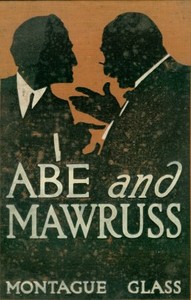
Abe and Mawruss: Being Further Adventures of Potash and Perlmutter
Written by Montague Glass
Chaptra reads alongside you — AI insights, chapter breakdowns and reader discussions for every book. Join free
About this book
Reading guide
Themes, characters and key ideas in Abe and Mawruss: Being Further Adventures of Potash and Perlmutter, written by Chaptra AI.
- about 8 hours
- intermediate
- humorous
- witty
- lighthearted
Montague Glass's "Abe and Mawruss" plunges readers into the humorous world of Abe Potash and Morris Perlmutter, partners in a bustling early 20th-century garment business. The novel, a collection of further adventures, satirizes the complexities of business ethics and human nature through their contrasting personalities. Abe, driven by sympathy, often finds himself at odds with the more pragmatic and skeptical Morris, leading to a series of comedic misunderstandings and moral quandaries. Their debates, particularly concerning charity and trust in the cutthroat business world, offer both laughter and insightful commentary on the immigrant experience and the American dream.
“"Business is business, Abe, but a partner is a partner. And sympathy? That’s for your wife, not for your ledger."”
Key themes
- Sympathy vs. Pragmatism in Business
- This is the central thematic conflict of the novel, explored through the opposing views of Abe and Mawruss. Abe advocates for sympathy and charity, believing in second chances and the moral obligation to help others, even if it entails risk. Morris, conversely, champions pragmatism, emphasizing profit, caution, and the hard realities of business. The theme explores the tension between ethical ideals and commercial necessities.
- The Immigrant Experience and Jewish-American Identity
- The novel provides a vivid portrayal of the Jewish-American immigrant experience in early 20th-century New York. Through Abe and Mawruss, Glass captures the challenges, aspirations, and cultural nuances of a community striving for success in a new land. The characters' Yiddish-inflected speech, their work ethic, and their communal interactions reflect a specific cultural identity navigating the American melting pot.
- The Nature of Partnership
- At its core, the novel is a study of a long-standing business partnership. Abe and Mawruss, despite their constant disagreements and contrasting personalities, remain bound by their shared enterprise and a deep, if often unacknowledged, loyalty. The theme explores the dynamics of collaboration, conflict resolution, and the mutual reliance that forms the foundation of a successful, albeit tumultuous, working relationship.
Worth discussing
How do Abe and Mawruss's differing philosophies on 'sympathy in business' reflect broader societal debates about ethics and capitalism?
Chapter-by-chapter breakdowns, character arcs and the full thematic analysis come with a free account.
Discussions
No one has started one yet
Questions this book opens up
No discussions yet
Be the first to start a discussion about this book!
Sign up to start the discussionReviews
No reviews yet
Be the first to review this book!