
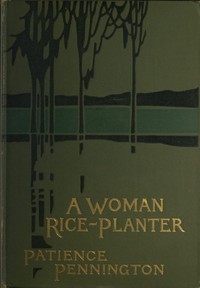
A Woman Rice Planter
Written by Elizabeth W. Allston (Elizabeth Waties Allston) Pringle
Chaptra reads alongside you — AI insights, chapter breakdowns and reader discussions for every book. Join free
About this book
Reading guide
Themes, characters and key ideas in A Woman Rice Planter, written by Chaptra AI.
- about 10 hours
- intermediate
- Resilient
- Historical
- Determined
Elizabeth W. Allston Pringle's "A Woman Rice Planter" is a compelling historical account chronicling the remarkable journey of Patience Pennington, who, against societal skepticism, invests her life savings to manage her family's struggling rice plantation, Casa Bianca, in early 20th-century South Carolina. The narrative vividly details her dedication to reviving the estate, emphasizing a progressive approach to labor management by empowering her workforce, many of whom are former slaves, towards self-sufficiency. Through facing formidable challenges like natural disasters and complex human dynamics, Pennington's story unfolds as a testament to resilience and determination. It offers an intimate glimpse into the socio-cultural landscape of the post-Reconstruction South and the indomitable spirit of a woman forging her own path in a male-dominated world.
“"To create a home and livelihood, despite the whispers of doubt, became my unwavering purpose."”
Key themes
- Resilience and Determination
- This theme is central to Pennington's character and the entire narrative. It explores her unwavering spirit in the face of immense challenges, including financial risk, natural disasters, and societal skepticism. Her ability to bounce back from setbacks, learn from failures, and persistently pursue her vision defines her journey.
- Empowerment and Self-Sufficiency
- The book delves into Pennington's progressive approach to labor management, focusing on empowering her workers, many of whom are former slaves, by fostering their self-sufficiency and responsibility. This theme examines the shift from traditional, hierarchical labor relations towards a more collaborative and dignified model, challenging the remnants of the plantation system.
- Gender Roles and Female Agency
- Pennington's decision to manage a rice plantation directly challenges the prevailing gender roles of the early 20th century, where women were largely confined to domestic spheres. The narrative explores her struggle to assert her authority, competence, and vision in a male-dominated agricultural and business world, highlighting the strength and capabilities of women often overlooked by society.
Worth discussing
How does Patience Pennington challenge traditional gender roles of the early 20th century, and what does her journey reveal about female agency?
Chapter-by-chapter breakdowns, character arcs and the full thematic analysis come with a free account.
Discussions
No one has started one yet
Questions this book opens up
No discussions yet
Be the first to start a discussion about this book!
Sign up to start the discussionReviews
No reviews yet
Be the first to review this book!