
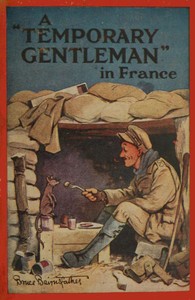
A "Temporary Gentleman" in France
Written by A. J. (Alec John) Dawson
Chaptra reads alongside you — AI insights, chapter breakdowns and reader discussions for every book. Join free
About this book
Reading guide
Themes, characters and key ideas in A "Temporary Gentleman" in France, written by Chaptra AI.
- about 8 hours
- intermediate
- somber
- reflective
- gritty
A 'Temporary Gentleman' in France compiles the deeply personal letters of a British officer serving on the Western Front in 1918, offering an intimate glimpse into the final year of World War I. Penned by the anonymous 'Temporary Gentleman,' the collection chronicles his journey from arriving in France after training, through the daily realities of trench warfare, to his profound observations on the French people and his fellow soldiers. The narrative masterfully balances the grim struggles and psychological toll of conflict with poignant moments of camaraderie, unexpected humor, and enduring humanity. It serves as a vital historical document, illustrating the evolving identity and shared experiences of those who fought in one of history's most defining conflicts.
“The strangeness of this new world, this France under the shadow of war, is a surreal tapestry woven with fear and an unexpected beauty.”
Key themes
- The Reality and Brutality of War
- This theme explores the grim, unromanticized daily existence on the Western Front, encompassing not just direct combat but also the pervasive physical discomfort, the constant threat of death, the psychological toll, and the mundane hardships of trench life. It aims to strip away any glorified notions of warfare.
- Camaraderie and Community
- This theme highlights the vital importance of the bonds formed between soldiers, emphasizing mutual support, shared understanding, and the sense of belonging that provides solace and strength amidst the horrors of war. It explores how a unique community is forged under extreme duress.
- Humanity Amidst Chaos
- This theme highlights the persistent presence of human kindness, compassion, humor, and resilience even in the most brutal and dehumanizing conditions of war. It underscores the enduring capacity of individuals to find moments of light, connection, and meaning despite overwhelming darkness.
Worth discussing
How does the epistolary format enhance or limit the reader's understanding of the war experience?
Chapter-by-chapter breakdowns, character arcs and the full thematic analysis come with a free account.
Discussions
No one has started one yet
Questions this book opens up
No discussions yet
Be the first to start a discussion about this book!
Sign up to start the discussionReviews
No reviews yet
Be the first to review this book!