
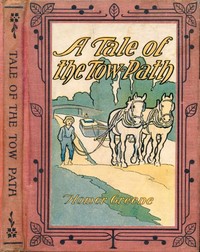
A Tale of the Tow-Path
Written by Homer Greene
Chaptra reads alongside you — AI insights, chapter breakdowns and reader discussions for every book. Join free
About this book
Reading guide
Themes, characters and key ideas in A Tale of the Tow-Path, written by Chaptra AI.
- about 8 hours
- intermediate
- coming-of-age
- adventure
- reflective
Homer Greene's "A Tale of the Tow-Path" is a late 19th-century coming-of-age novel chronicling the journey of fourteen-year-old Joe Gaston. Frustrated by the strict discipline of his father and the drudgery of farm work, Joe rebels by sneaking off to fish, leading to a severe punishment that ignites his deep-seated resentment. In a rash decision to reclaim his perceived freedom, Joe runs away from home, embarking on an adventure along the tow-path. This act of defiance sets the stage for a poignant exploration of internal conflict, as Joe grapples with the harsh realities of independence, the consequences of his actions, and his enduring love for his family, ultimately leading him through a period of profound self-discovery.
“"This hoe is the chain that binds me, while the river calls for freedom."”
Key themes
- Rebellion vs. Authority
- This theme forms the core conflict of the novel, focusing on Joe's struggle against his father's strict rules and the societal expectations of a young boy in the late 19th century. Joe's decision to run away is the ultimate act of rebellion, challenging the paternal authority and seeking personal autonomy. The narrative explores the motivations behind rebellion and its immediate and long-term consequences.
- Self-Discovery and Coming-of-Age
- Joe's journey along the tow-path is a classic bildungsroman, a narrative of personal growth and maturation. Away from the comforts and constraints of home, Joe is forced to confront his own capabilities, make independent decisions, and understand the true meaning of responsibility. His experiences shape his character, moving him from naive rebellion to a more mature understanding of himself and the world.
- Consequences of Actions
- The novel directly explores the ripple effects of Joe's choices, particularly his impulsive decision to run away. It illustrates that every action, whether rebellious or compliant, carries a consequence, often unforeseen. Joe's journey is a direct result of his disobedience and subsequent flight, and the hardships he faces serve as lessons in accountability and understanding cause and effect.
Worth discussing
Discuss the historical context of parental discipline in the late 19th century and how it shapes Joe's actions.
Chapter-by-chapter breakdowns, character arcs and the full thematic analysis come with a free account.
Discussions
No one has started one yet
Questions this book opens up
No discussions yet
Be the first to start a discussion about this book!
Sign up to start the discussionReviews
No reviews yet
Be the first to review this book!