
The AI reading companion for people who take books seriously
AI insights, chapter breakdowns, community discussions — all in one place.
A Tale of Old Japan
About this book
More by Alfred Noyes
Browse all books by this authorExplore Man-woman relationships Books
Discover more Man-woman relationships literature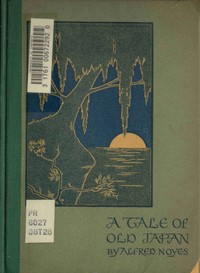
Click "Read now" to open in our Reader with AI features.
Community Discussions
Join the conversation about this book
Discussions
0 discussions
No discussions yet
Be the first to start a discussion about this book!
Sign up to start the discussionAI-Powered Insights
A clearer way to understand A Tale of Old Japan through themes, characters, and key ideas
This reading guide highlights what stands out in A Tale of Old Japan through 5 core themes, 3 character profiles. It is meant to help readers decide whether the book fits their taste and deepen the reading once they begin.
About this book
A quick AI guide to “A Tale of Old Japan”
Get the shape of the book before you commit: what it is about, what mood it carries, and what ideas readers tend to stay with afterward.
What the book is doing
Alfred Noyes's "A Tale of Old Japan" is a poignant lyrical poem that intricately weaves a narrative of love, loss, and artistic transformation against a backdrop of traditional Japanese aesthetics. It centers on Yoichi Tenko, an aging painter, and his bond with Kimi, a young girl who loves the aspiring artist Sawara. Kimi's dreams are shattered when Sawara marries another, leading to her heartbroken departure and tragic demise. Years later, Sawara discovers Kimi's fate, a revelation that profoundly deepens his artistic expression, a change Tenko recognizes as a testament to the enduring power of love and memory. The poem explores how sorrow can fuel creativity and the passage of time shapes human experience.
Key Themes
Love and Sacrifice
The poem centrally explores various forms of love—paternal (Tenko for Kimi), romantic (Kimi for Sawara), and the unacknowledged devotion that leads to sacrifice. Kimi's unrequited love for Sawara and her subsequent heartbroken departure represent a profound personal sacrifice of happiness and life itself. Her sacrifice, though tragic, indirectly fuels Sawara's artistic growth, suggesting a complex relationship between love, loss, and creative output.
Art and Creativity
Art is a central motif, represented by Tenko, the seasoned master, and Sawara, the aspiring talent. The poem explores how art is not merely about technique but about expressing profound human experience. Sawara's initial talent is refined and deepened only after he experiences profound personal sorrow, suggesting that true artistic mastery often stems from suffering and emotional depth. Art becomes a medium for processing grief, preserving memory, and transforming pain into something beautiful and enduring.
“The heart, once broken, finds its truest art.”
How does Noyes use the setting of "Old Japan" to enhance the poem's themes and mood?
See chapter-by-chapter takeaways, deeper character arcs, and a fuller literary analysis built around this book.
Unlock full AI analysis for “A Tale of Old Japan”
Chapter breakdowns, character deep-dives, and thematic analysis — all in one place.
Reader Reviews
See what others are saying
Reviews
Overall Rating
Based on community ratings
No reviews yet
Be the first to review this book!
Readers Also Enjoyed
Discover more books similar to A Tale of Old Japan