
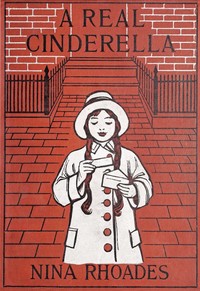
A real Cinderella
Written by Nina Rhoades
Chaptra reads alongside you — AI insights, chapter breakdowns and reader discussions for every book. Join free
About this book
Reading guide
Themes, characters and key ideas in A real Cinderella, written by Chaptra AI.
- about 8 hours
- intermediate
- uplifting
- hopeful
- melancholy
Nina Rhoades' "A Real Cinderella" is an early 20th-century children's novel following Gretel Schiller, an orphaned girl living in humble circumstances with the neglectful Marsh family. Despite her daily chores and lack of support, Gretel nurtures a profound longing for a more magical existence, inspired by the classic Cinderella fairy tale. Her deepest desire is to attend the opera, which she views as a gateway to a beautiful, enchanting world where happiness might reside. The discovery of an opera ticket ignites her journey of self-discovery and resilience, exploring the stark contrast between her desolate reality and the vibrant world of her dreams, with music serving as a powerful, transformative force.
“"In the quiet corners of her mind, Gretel built castles of music and dreams, far away from the dust of her daily life."”
Key themes
- Hope and Dreams
- This is the central theme, exploring Gretel's unwavering belief in a better, more magical life despite her dire circumstances. Her dreams of the opera are not mere fantasies but vital coping mechanisms and drivers of her ambition.
- The Transformative Power of Music and Art
- Music, specifically the opera, serves as a powerful catalyst for Gretel's emotional and spiritual transformation. It represents a world of beauty, order, and emotion that contrasts sharply with her mundane and neglected life, offering both escapism and a path to self-discovery.
- Neglect and Resilience
- The novel starkly portrays Gretel's experience of emotional and physical neglect at the hands of the Marsh family. Against this backdrop, her resilience and ability to maintain her dreams and inner spirit become a central focus, showcasing the strength of the human spirit.
Worth discussing
How does Gretel's perception of the opera reflect her inner world and desires?
Chapter-by-chapter breakdowns, character arcs and the full thematic analysis come with a free account.
Discussions
No one has started one yet
Questions this book opens up
No discussions yet
Be the first to start a discussion about this book!
Sign up to start the discussionReviews
No reviews yet
Be the first to review this book!