
The AI reading companion for people who take books seriously
AI insights, chapter breakdowns, community discussions — all in one place.
A Prince of Swindlers
About this book
More by Guy Boothby
Browse all books by this authorExplore Detective and mystery stories Books
Discover more Detective and mystery stories literature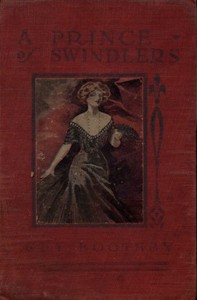
Click "Read now" to open in our Reader with AI features.
Community Discussions
Join the conversation about this book
Discussions
0 discussions
No discussions yet
Be the first to start a discussion about this book!
Sign up to start the discussionAI-Powered Insights
A clearer way to understand A Prince of Swindlers through themes, characters, and key ideas
This reading guide highlights what stands out in A Prince of Swindlers through 3 core themes, 3 character profiles, and 3 chapter-level ideas. It is meant to help readers decide whether the book fits their taste and deepen the reading once they begin.
About this book
A quick AI guide to “A Prince of Swindlers”
Get the shape of the book before you commit: what it is about, what mood it carries, and what ideas readers tend to stay with afterward.
What the book is doing
Guy Boothby's "A Prince of Swindlers" introduces Simon Carne, a charismatic and highly intelligent con artist who skillfully infiltrates London's elite society. Having previously served as a Viceroy, Carne leverages his experience and strategic mind to execute a series of elaborate and daring heists, demonstrating a mastery of disguise and psychological manipulation. The narrative delves into his meticulous planning and the thrilling execution of his schemes against the backdrop of the city's opulent social season. Ultimately, the novel paints a captivating portrait of a criminal mastermind, exploring themes of deception, class, and the allure of forbidden wealth within early 20th-century high society.
Key Themes
Deception and Illusion
This theme is central to the novel, explored through Simon Carne's masterful use of disguise, false identities, and psychological manipulation. It delves into how appearances can be deceiving and how a skilled individual can exploit societal trust and expectations to achieve their aims. The theme questions the nature of reality and authenticity within high society.
Social Class and Critique of Aristocracy
The novel uses Carne's exploits to implicitly critique the superficiality, vanity, and often lax security of London's upper echelons. It highlights the vast disparities in wealth and suggests that privilege can breed a certain naivety or arrogance, making the elite easy targets for a clever outsider. Carne, as a former Viceroy, understands both worlds, allowing him to exploit the weaknesses of the privileged.
“The greatest art, my dear sir, is not in taking, but in making them *want* to give.”
To what extent can Simon Carne be considered a 'hero' or an 'anti-hero'? Does the novel encourage sympathy for his actions?
See chapter-by-chapter takeaways, deeper character arcs, and a fuller literary analysis built around this book.
Unlock full AI analysis for “A Prince of Swindlers”
Chapter breakdowns, character deep-dives, and thematic analysis — all in one place.
Reader Reviews
See what others are saying
Reviews
Overall Rating
Based on community ratings
No reviews yet
Be the first to review this book!
Readers Also Enjoyed
Discover more books similar to A Prince of Swindlers