
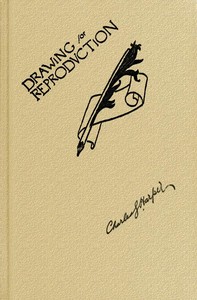
A Practical Hand-book of Drawing for Modern Methods of Reproduction
Written by Charles G. (Charles George) Harper
Chaptra reads alongside you — AI insights, chapter breakdowns and reader discussions for every book. Join free
About this book
Reading guide
Themes, characters and key ideas in A Practical Hand-book of Drawing for Modern Methods of Reproduction, written by Chaptra AI.
- about 8 hours
- intermediate
- instructive
- informative
- historical
Charles G. Harper's "A Practical Hand-book of Drawing for Modern Methods of Reproduction" is a late 19th-century instructional guide for illustrators navigating the advent of photo-mechanical reproduction. The book meticulously details pen-drawing techniques while simultaneously exploring the historical context and evolving role of the illustrator. Harper emphasizes the crucial balance between technical mastery and artistic sensibility, ensuring illustrations retain their integrity when adapted for modern printing. It serves as both a practical manual and a thoughtful reflection on the challenges and opportunities presented by new technologies in the art world, aiming to equip artists for effective and beautiful reproduction.
“The advent of photo-mechanical reproduction forever altered the landscape for the illustrator, demanding not merely skill, but a profound understanding of the medium's requirements.”
Key themes
- Adaptation to Technological Change
- This theme is central to the handbook, exploring how illustrators were compelled to evolve their techniques and understanding in response to the rise of photo-mechanical reproduction. Harper guides artists through this transition, emphasizing the necessity of understanding the new processes to remain relevant and effective. It's about the dynamic relationship between art, artist, and industrial innovation.
- Artistic Integrity in Mechanical Reproduction
- Harper grapples with the challenge of preserving the aesthetic value and expressive power of an illustration when it is subject to mechanical processes. He argues that technical proficiency must serve artistic vision, not diminish it. This theme explores how artists can maintain their unique voice and the inherent beauty of their work even when it's mass-produced, rather than individually crafted for print.
- Mastery of Technique and Artistic Expression
- The handbook strongly advocates for a dual mastery: profound technical skill in pen-drawing and a deep understanding of artistic principles. Harper posits that neither can stand alone; technical prowess is the vehicle for artistic expression, and expression gives purpose to technique. This theme underscores the rigorous demands of the craft and the continuous learning required for excellence.
Worth discussing
How did technological advancements in the late 19th century parallel or diverge from the impact of digital technology on artists today?
Chapter-by-chapter breakdowns, character arcs and the full thematic analysis come with a free account.
Discussions
No one has started one yet
Questions this book opens up
No discussions yet
Be the first to start a discussion about this book!
Sign up to start the discussionReviews
No reviews yet
Be the first to review this book!