
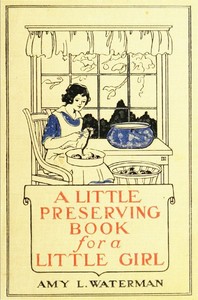
A Little Preserving Book for a Little Girl
Written by Amy Harlow (Lane) Waterman
Chaptra reads alongside you — AI insights, chapter breakdowns and reader discussions for every book. Join free
About this book
Reading guide
Themes, characters and key ideas in A Little Preserving Book for a Little Girl, written by Chaptra AI.
- about 8 hours
- beginner
- uplifting
- instructive
- charming
Mrs. Amy Harlow Waterman's "A Little Preserving Book for a Little Girl" is an early 20th-century instructional manual disguised as a charming narrative, guiding young readers through the art of food preservation. The story follows Adelaide, a little girl inspired by her mother and wartime necessity, as she embarks on her first canning projects, beginning with orange marmalade. Through Adelaide's enthusiastic journey, the book imparts practical skills, detailed recipes, and the necessary equipment for preserving fruits and vegetables. It emphasizes self-sufficiency, contribution to family, and the joy of domestic crafts, setting a foundational tone of independence and creativity for its young female audience.
“"Oh, Jessie May, guess what I've learned to do! I'm going to make marmalade for Papa!" (Representative of Adelaide's enthusiasm)”
Key themes
- Domesticity and Homemaking
- This theme is central to the book, presenting domestic skills like preserving as valuable, creative, and essential contributions to family welfare. It elevates homemaking beyond mere chores, framing it as an art and a source of pride and independence.
- Self-Sufficiency and Contribution
- Particularly emphasized by the 'wartime' context, this theme underscores the importance of individuals contributing to the well-being of their families and communities through practical means. Preserving food directly addresses needs for sustenance and resourcefulness.
- Female Empowerment and Agency
- The book, though set in a traditional context, empowers young girls by teaching them practical, valuable skills that foster independence and a sense of contribution. Adelaide's enthusiasm and active participation demonstrate her agency within her domestic sphere.
Worth discussing
How does the book reflect the societal expectations and roles for girls in the early 20th century?
Chapter-by-chapter breakdowns, character arcs and the full thematic analysis come with a free account.
Discussions
No one has started one yet
Questions this book opens up
No discussions yet
Be the first to start a discussion about this book!
Sign up to start the discussionReviews
No reviews yet
Be the first to review this book!