
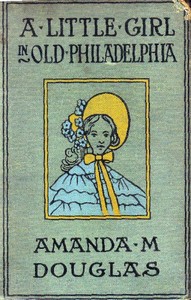
A Little Girl in Old Philadelphia
Written by Amanda M. Douglas
Chaptra reads alongside you — AI insights, chapter breakdowns and reader discussions for every book. Join free
About this book
Reading guide
Themes, characters and key ideas in A Little Girl in Old Philadelphia, written by Chaptra AI.
- about 8 hours
- intermediate
- Historical
- Gentle
- Reflective
Amanda M. Douglas's "A Little Girl in Old Philadelphia" is a charming late 19th-century historical novel chronicling the formative years of Primrose Henry. The story follows Primrose as she transitions from a simple Quaker upbringing in the countryside to the more elaborate, bustling life with her relatives in Philadelphia. Through her innocent yet observant eyes, the novel explores the inherent tensions between strict societal norms and youthful desires for self-expression and adventure. It delves into her journey of self-discovery, navigating contrasting lifestyles and expectations, ultimately painting a vivid picture of childhood in a pivotal American city.
“The world, Primrose mused, was a much larger and louder place than she had ever imagined from her quiet country lane.”
Key themes
- Innocence vs. Experience
- This theme explores Primrose's transition from a sheltered, naive childhood in the country to a more complex and worldly understanding gained through her experiences in Philadelphia. It highlights the loss of pure innocence but also the gain of wisdom and a broader perspective.
- Identity and Belonging
- Primrose's journey is fundamentally a search for where she belongs and who she truly is, caught between two distinct cultural worlds. She must integrate aspects of both her past and present to form a coherent sense of self.
- Societal Expectations and Individuality
- The novel examines the pressure to conform to societal norms, whether those of strict Quakerism or fashionable Philadelphia society, versus the protagonist's burgeoning sense of individual identity and desire for personal expression.
Worth discussing
How does Primrose's Quaker upbringing shape her perspective and reactions to city life? What are the strengths and weaknesses of her early education?
Chapter-by-chapter breakdowns, character arcs and the full thematic analysis come with a free account.
Discussions
No one has started one yet
Questions this book opens up
No discussions yet
Be the first to start a discussion about this book!
Sign up to start the discussionReviews
No reviews yet
Be the first to review this book!