
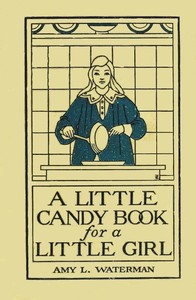
A Little Candy Book for a Little Girl
Written by Amy Harlow (Lane) Waterman
Chaptra reads alongside you — AI insights, chapter breakdowns and reader discussions for every book. Join free
About this book
Reading guide
Themes, characters and key ideas in A Little Candy Book for a Little Girl, written by Chaptra AI.
- about 8 hours
- beginner
- wholesome
- instructive
- charming
Mrs. Amy L. Waterman's "A Little Candy Book for a Little Girl" is an early 20th-century instructional guide that charmingly blends narrative with practical candy-making recipes. The book follows Betsey Bobbitt, a spirited young girl, as she embarks on a culinary adventure to create her own sweet treats at home, guided by her nurturing mother. Moving beyond the allure of store-bought penny candy, Betsey learns valuable kitchen skills and the joy of homemade confections, starting with hard candies suitable for cooler weather. This delightful guide emphasizes domestic education, mother-daughter bonding, and the simple pleasures of childhood creativity, all wrapped in a warm and encouraging tone.
“"Oh, Mother, I do wish I could make my very own candy, instead of just buying it!"”
Key themes
- Domestic Education and Practical Skills
- The core theme of the book is the importance of teaching young girls practical domestic skills, specifically candy-making. It emphasizes hands-on learning and the value of being able to create things for oneself. This theme reflects societal expectations of women's roles in the home during the early 20th century, framed positively as empowering and enjoyable.
- Mother-Daughter Relationship and Mentorship
- The book beautifully portrays a warm, supportive, and educational relationship between Betsey and her mother. The mother acts as a patient mentor, guiding Betsey through the learning process, fostering not just skills but also confidence and a shared bond. This highlights the intergenerational transfer of knowledge and the emotional connection forged through shared activities.
- Childhood Independence and Creativity
- Betsey's initial desire to make her 'very own candy' instead of relying on store-bought options underscores a nascent desire for independence and creative expression. The act of candy-making becomes an outlet for her creativity and a means to achieve a sense of accomplishment, fostering self-reliance within a nurturing environment.
Worth discussing
How does the book reflect societal expectations for girls in the early 20th century, and how have these expectations changed?
Chapter-by-chapter breakdowns, character arcs and the full thematic analysis come with a free account.
Discussions
No one has started one yet
Questions this book opens up
No discussions yet
Be the first to start a discussion about this book!
Sign up to start the discussionReviews
No reviews yet
Be the first to review this book!