
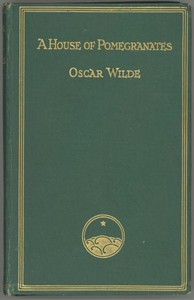
A House of Pomegranates
Written by Oscar Wilde
Chaptra reads alongside you — AI insights, chapter breakdowns and reader discussions for every book. Join free
About this book
Reading guide
Themes, characters and key ideas in A House of Pomegranates, written by Chaptra AI.
- about 8 hours
- advanced
- dark
- enchanting
- melancholy
Oscar Wilde's "A House of Pomegranates" is a collection of four exquisite fairy tales that delve into profound moral and philosophical questions, cloaked in opulent, symbolic prose. Each story, including "The Young King" and "The Birthday of the Infanta," follows a protagonist's journey of self-discovery, sacrifice, or tragic realization. Wilde masterfully explores the intricate relationship between beauty and suffering, the stark realities of social injustice, and the weight of moral choices. Through a blend of enchanting fantasy and poignant realism, the collection invites readers to ponder the true cost of luxury, the essence of compassion, and the path to genuine redemption, showcasing Wilde's distinctive blend of aestheticism and ethical concern.
“For what profiteth a man to gain the whole world, and lose his own soul?”
Key themes
- Beauty and Suffering
- This central theme explores how exquisite beauty, luxury, and aesthetic pleasure are often built upon or necessitate profound suffering, sacrifice, or exploitation. Wilde questions the moral cost of superficial beauty and suggests that true beauty emerges from compassion and sorrow.
- Social Injustice and Class Divide
- Wilde starkly contrasts the lives of the wealthy elite with the impoverished and exploited masses, highlighting the inherent injustice and moral blindness of a society built on such disparities. He critiques the comfort and beauty enjoyed by the privileged, which often come at the expense of others' pain.
- Moral Choice and Redemption
- Many characters face profound moral dilemmas, and their choices determine their fate—whether they achieve redemption through suffering and selflessness, or succumb to spiritual decay. The path to redemption often involves humility, compassion, and a rejection of materialism.
Worth discussing
How does Wilde use the fantastical elements of fairy tales to comment on real-world social injustices and moral dilemmas?
Chapter-by-chapter breakdowns, character arcs and the full thematic analysis come with a free account.
Discussions
No one has started one yet
Questions this book opens up
No discussions yet
Be the first to start a discussion about this book!
Sign up to start the discussionReviews
No reviews yet
Be the first to review this book!