
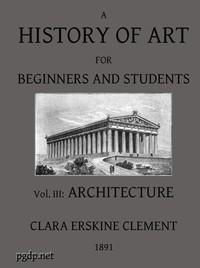
A History of Art for Beginners and Students: Painting, Sculpture, Architecture
Written by Clara Erskine Clement Waters
Chaptra reads alongside you — AI insights, chapter breakdowns and reader discussions for every book. Join free
About this book
Reading guide
Themes, characters and key ideas in A History of Art for Beginners and Students: Painting, Sculpture, Architecture, written by Chaptra AI.
- about 12 hours
- beginner
- informative
- educational
- historical
Clara Erskine Clement's "A History of Art for Beginners and Students" is a foundational late 19th-century text offering an accessible introduction to painting, sculpture, and architecture. Aimed at novice learners, the book systematically traces the evolution of art from ancient civilizations, particularly Egypt and Greece, through the medieval period. It establishes a clear distinction between fine and mechanical arts, emphasizing art's profound cultural, educational, and imaginative value. Clement highlights how art serves not only aesthetic purposes but also functions as a vital record of historical narratives and societal practices, laying a comprehensive groundwork for understanding artistic development.
“The fine arts appeal to the imagination and the aesthetic sense, elevating the mind beyond mere utility.”
Key themes
- The Cultural and Educational Value of Art
- This theme is central to Clement's work, positing that art is not merely decorative but fundamental to human culture and intellectual development. She argues that art educates the imagination, conveys historical narratives, and embodies cultural practices, thereby holding significant societal importance beyond its aesthetic appeal. The book implicitly and explicitly advocates for art history as a crucial component of a well-rounded education.
- Art as Historical Record and Narrative
- Clement consistently presents art as a primary source for understanding past civilizations. The book demonstrates how paintings, sculptures, and architectural marvels were not just expressions of beauty but deliberate tools for documenting events, beliefs, and daily life. This theme underscores art's function as a visual archive, offering insights into cultures that might otherwise be lost.
- Evolution and Development of Artistic Techniques and Principles
- The book meticulously traces the technical and conceptual advancements in painting, sculpture, and architecture across different periods. This theme focuses on how artists in various cultures developed new methods, materials, and aesthetic principles, leading to the diverse forms of art we see throughout history. It emphasizes the continuous innovation and refinement within artistic practice.
Worth discussing
How does Clement's distinction between 'fine arts' and 'mechanical arts' reflect late 19th-century values, and how might it compare to contemporary definitions of art?
Chapter-by-chapter breakdowns, character arcs and the full thematic analysis come with a free account.
Discussions
No one has started one yet
Questions this book opens up
No discussions yet
Be the first to start a discussion about this book!
Sign up to start the discussionReviews
No reviews yet
Be the first to review this book!