
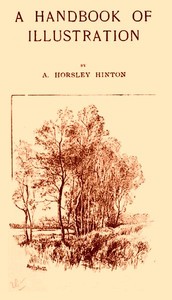
A Handbook of Illustration
Written by A. Horsley (Alfred Horsley) Hinton
Chaptra reads alongside you — AI insights, chapter breakdowns and reader discussions for every book. Join free
About this book
Reading guide
Themes, characters and key ideas in A Handbook of Illustration, written by Chaptra AI.
- about 8 hours
- intermediate
- Informative
- Instructive
- Historical
A. Horsley Hinton's "A Handbook of Illustration" is a seminal late 19th-century guide that meticulously explores the art and science of visual communication, particularly within the transformative context of emerging photographic and print technologies. The book establishes the historical roots and evolving role of illustration, advocating for accuracy and clarity as paramount over purely aesthetic considerations. It systematically delves into various forms of illustration—from maps and scientific diagrams to artistic renderings—and provides foundational methods for effective visual expression, asserting illustration's unique power to convey concepts beyond the limitations of text.
“The true artist in illustration does not merely adorn, but informs, ensuring clarity and precision outweigh fleeting aesthetic whims.”
Key themes
- The Evolution of Visual Communication
- This theme explores how illustration adapted to and was reshaped by technological advancements, particularly photography and new printing methods. Hinton scrutinizes the historical trajectory of visual art and its ongoing transformation, positioning illustration as a dynamic field constantly re-evaluating its purpose and techniques in response to innovation.
- Accuracy vs. Aesthetics
- Hinton's central argument posits that the primary purpose of illustration is to convey information clearly and accurately, often prioritizing this function over purely aesthetic appeal. This theme delves into the tension between making an image beautiful and making it effectively informative, arguing for the latter as the core mission of the illustrator.
- The Pedagogy of Illustration
- The handbook itself embodies a pedagogical theme, serving as a structured guide for learning and mastering the art of illustration. It reflects the methods and principles of art instruction of its time, focusing on foundational knowledge, systematic technique, and a clear, authoritative teaching voice. This theme highlights how knowledge and skills in a craft are transmitted.
Worth discussing
How did the advent of photography challenge and redefine the role of traditional illustration in the late 19th century?
Chapter-by-chapter breakdowns, character arcs and the full thematic analysis come with a free account.
Discussions
No one has started one yet
Questions this book opens up
No discussions yet
Be the first to start a discussion about this book!
Sign up to start the discussionReviews
No reviews yet
Be the first to review this book!