
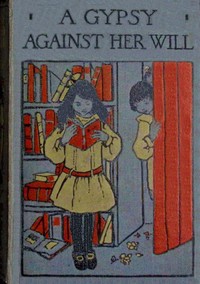
A gypsy against her will : $b or, Worth her weight in gold
Written by Emma Leslie
Chaptra reads alongside you — AI insights, chapter breakdowns and reader discussions for every book. Join free
About this book
Reading guide
Themes, characters and key ideas in A gypsy against her will : $b or, Worth her weight in gold, written by Chaptra AI.
- about 7 hours
- intermediate
- melancholy
- cautionary
- somber
Emma Leslie's late 19th-century novel, "A Gypsy Against Her Will: or, Worth Her Weight in Gold," chronicles the perilous journey of Lizzie, a young domestic servant yearning for liberation from her constrained life. Driven by a fervent desire for independence and a return to her mother's side, Lizzie's frustration with servitude leads her to a fateful encounter with Mrs. Stanley, a deceptive fortune-teller. This encounter propels Lizzie into a world promising freedom but delivering only manipulation and a grim reality within a traveling show. The narrative explores themes of identity, the allure of the unknown, and the harsh repercussions of impulsive choices, as Lizzie's initial hopes give way to profound regret and disillusionment.
“"Oh, for a life where every day wasn't a chore, where my own hands could choose their task!"”
Key themes
- Freedom vs. Servitude
- This central theme explores Lizzie's deep-seated yearning to escape the confines of domestic service and achieve personal freedom. The novel contrasts her initial, naive understanding of freedom (simply an absence of work) with the harsh reality of false freedom under manipulation, ultimately suggesting that true liberty comes with responsibility and discernment, rather than mere escape.
- Consequences of Rash Decisions
- A core moral lesson of the novel, this theme meticulously tracks how Lizzie's impulsive decision to trust Mrs. Stanley and abandon her known life leads directly to her suffering and regret. It emphasizes the importance of foresight, caution, and valuing stability over fleeting, ill-conceived desires.
- Manipulation and Vulnerability
- The novel starkly portrays how Mrs. Stanley exploits Lizzie's youthful naiveté and her desperate longing for a better life. It highlights the vulnerability of young, inexperienced individuals, particularly women in the 19th century, to predatory figures who offer false promises for personal gain. This theme underscores the power dynamics inherent in such exploitative relationships.
Worth discussing
How does Lizzie's initial understanding of 'freedom' evolve throughout the novel, and what does the book suggest about the true nature of independence?
Chapter-by-chapter breakdowns, character arcs and the full thematic analysis come with a free account.
Discussions
No one has started one yet
Questions this book opens up
No discussions yet
Be the first to start a discussion about this book!
Sign up to start the discussionReviews
No reviews yet
Be the first to review this book!