
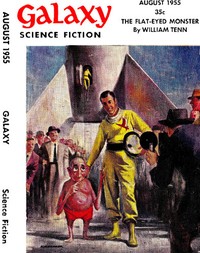
A Gift from Earth
Written by Manly Banister
Chaptra reads alongside you — AI insights, chapter breakdowns and reader discussions for every book. Join free
About this book
Reading guide
Themes, characters and key ideas in A Gift from Earth, written by Chaptra AI.
- about 9 hours
- intermediate
- thought-provoking
- somber
- reflective
Manly Banister's mid-20th century science fiction novel, "A Gift from Earth," chronicles the profound societal and economic upheaval on the alien planet Zur following the arrival of technologically advanced Earthmen. The narrative centers on the Masur brothers, particularly the initially underestimated Zotul, as they struggle to adapt their traditional pottery business to a market flooded with superior Earth goods and new technologies. As Earth's commercial interests exert increasing influence, the Zurians grapple with the colonial implications, forcing them to sign binding contracts and ultimately confronting a transformation of their cultural identity. The story explores the complex interplay of cultural exchange, economic disruption, and the blurring lines between colonizer and colonized.
“"The Earthmen bring gifts, yes, but with each gift comes a thread, binding us tighter to their loom."”
Key themes
- Economic Disruption and Colonialism
- This is the central theme, exploring how a technologically superior civilization's arrival can dismantle a local economy and establish a form of economic colonialism. The 'gifts' of advanced goods serve as Trojan horses, rendering local industries (like pottery) obsolete and creating dependency, ultimately forcing the indigenous population to sign unfavorable contracts and surrender economic autonomy.
- Cultural Exchange and Assimilation
- The novel examines the complex and often destructive nature of cultural exchange when there's a significant power imbalance. Initially appearing as a beneficial exchange, the Earthmen's presence leads to the gradual erosion of Zurian cultural practices and identity, culminating in a blurring of lines between the two cultures, implying assimilation rather than true integration.
- Adaptation vs. Resistance
- This theme explores the difficult choices faced by the Masur brothers and Zurian society: whether to resist the overwhelming changes brought by the Earthmen, risking complete destruction, or to adapt, potentially at the cost of their traditional way of life and identity. The novel suggests that adaptation, even reluctant, is often the only path to survival, but it comes with significant sacrifices.
Worth discussing
How does 'A Gift from Earth' use the science fiction genre to critique real-world historical patterns of colonialism and economic imperialism?
Chapter-by-chapter breakdowns, character arcs and the full thematic analysis come with a free account.
Discussions
No one has started one yet
Questions this book opens up
No discussions yet
Be the first to start a discussion about this book!
Sign up to start the discussionReviews
No reviews yet
Be the first to review this book!