
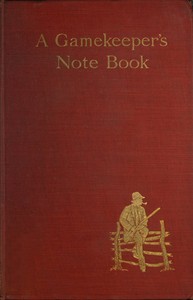
A Gamekeeper's Note-book
Written by Owen (Gamekeeper) Jones,Marcus Woodward
Chaptra reads alongside you — AI insights, chapter breakdowns and reader discussions for every book. Join free
About this book
Read it with a club
Chaptra's history and war clubs — small groups reading the same books and talking as they go.


Footnotes & Firefights
History and war
- 4 members
- 4 discussions
- Active Sep 11
Military history, from grand strategy down to the deeply boring logistics that actually decided everything. This is a Chaptra house club — set up and moderated by us to get the conversation going. Open to everyone; jump in anywhere.
Read A Gamekeeper's Note-book alongside people who are reading it too.
Also here: Empire, Reconsidered
Chaptra Prime — paid clubs, every club feature, and unlimited reading support, for $5 a month or $60 once.
See PrimeReading guide
Themes, characters and key ideas in A Gamekeeper's Note-book, written by Chaptra AI.
- about 8 hours
- intermediate
- Reflective
- Observational
- Pastoral
Owen Jones and Marcus Woodward's "A Gamekeeper's Note-book" offers an intimate glimpse into the demanding yet deeply connected life of an early 20th-century English gamekeeper. Through a series of observations and anecdotes, the book explores the daily routines, seasonal responsibilities, and intricate relationship gamekeepers foster with the natural world. It illuminates the multifaceted role, balancing wildlife preservation with the demands of sporting estates, while also touching upon the personal sacrifices and quiet companionship found in their isolated lives. The narrative weaves together practical woodcraft, game management techniques, and a profound respect for the land, providing a valuable historical record of a vanishing way of life. Ultimately, it is a testament to the dedication required to maintain the delicate balance between human intervention and the rhythms of nature.
“The gamekeeper's life is one of constant vigilance, a silent pact with the wild heart of the land.”
Key themes
- Human-Nature Relationship
- This theme explores the complex and often contradictory ways humans interact with and manage the natural world. The gamekeeper embodies a specific type of relationship: one of stewardship, control, and deep, practical knowledge, yet also one that intervenes heavily for human-defined purposes (sport). The book delves into the responsibilities and ethical dilemmas inherent in this position, showing a profound connection to the land and its creatures, even as some are managed for sport and others for 'vermin' control.
- Rural Life and Tradition
- The book provides a vivid snapshot of rural life in early 20th-century England, emphasizing the enduring traditions, specialized knowledge, and social structures that defined it. It portrays a world where seasons dictate work, local communities are intertwined, and skills like woodcraft, tracking, and animal husbandry are passed down through generations. This theme also touches on the gamekeeper's position within the hierarchy of the landed estate, between the landowner and the local villagers/poachers, reflecting the social dynamics of the era.
- Solitude and Companionship
- The gamekeeper's profession often entails significant periods of solitude, spent observing nature in isolation. This theme explores the psychological impact of such a life, highlighting both its challenges and its unique rewards. It also emphasizes the crucial role of animal companions, particularly dogs, in providing loyalty, practical assistance, and emotional support in an otherwise solitary existence. The quiet companionship of nature itself is also a significant aspect.
Worth discussing
How does the book challenge or reinforce your preconceived notions about gamekeeping and hunting?
Chapter-by-chapter breakdowns, character arcs and the full thematic analysis come with a free account.
Discussions
No one has started one yet
Questions this book opens up
No discussions yet
Be the first to start a discussion about this book!
Sign up to start the discussionReviews
No reviews yet
Be the first to review this book!