
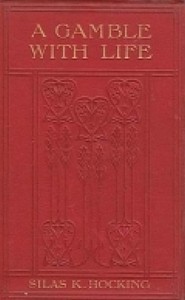
A Gamble with Life
Written by Silas K. (Silas Kitto) Hocking
Chaptra reads alongside you — AI insights, chapter breakdowns and reader discussions for every book. Join free
About this book
Reading guide
Themes, characters and key ideas in A Gamble with Life, written by Chaptra AI.
- about 8 hours
- intermediate
- suspenseful
- philosophical
- moralistic
Silas K. Hocking's "A Gamble with Life" introduces Rufus Sterne, an ambitious inventor who makes a perilous financial pact with his lawyer, Felix Muller, using his life insurance as collateral for a loan. This high-stakes agreement forces Rufus to confront profound questions about life, death, and morality as he pursues his invention. The narrative intensifies when Rufus encounters the enigmatic Madeline Grover, whose sudden peril on treacherous cliffs compels him to risk everything. His desperate act of heroism to save her life becomes a crucible for his philosophical beliefs, challenging his initial gamble and redefining the true value of existence amidst rising tides and uncertain outcomes.
“"To gamble with life itself, that is the ultimate test of one's conviction, or perhaps, one's folly."”
Key themes
- The Value of Life
- Central to the narrative is the exploration of what constitutes the 'value' of human life. Initially, Rufus treats his own life as a quantifiable asset, a collateral for a loan. However, through the dramatic rescue of Madeline, he discovers life's intrinsic, immeasurable worth, moving beyond a purely transactional understanding to one rooted in selfless action and human connection.
- Ambition and Risk
- The novel deeply explores the human drive for ambition, particularly in the context of innovation and personal achievement. Rufus's willingness to stake his life insurance on his invention exemplifies the extreme risks individuals might take to realize their dreams. This theme questions the boundaries of ambition and the ethical implications of such high-stakes gambles.
- Moral Dilemmas and Redemption
- The story places Rufus in a series of moral quandaries, from his initial gamble to the ultimate choice of saving Madeline. These dilemmas force him to confront his own selfishness and to redefine his moral compass. His journey is one of potential redemption, moving from a calculating, self-interested individual to someone capable of profound self-sacrifice.
Worth discussing
Discuss Rufus's initial decision to use his life insurance as collateral. Was it a sign of ambition, desperation, or folly?
Chapter-by-chapter breakdowns, character arcs and the full thematic analysis come with a free account.
Discussions
No one has started one yet
Questions this book opens up
No discussions yet
Be the first to start a discussion about this book!
Sign up to start the discussionReviews
No reviews yet
Be the first to review this book!