
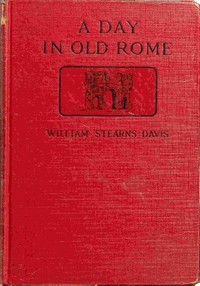
A day in old Rome : $b a picture of Roman life
Written by William Stearns Davis
Chaptra reads alongside you — AI insights, chapter breakdowns and reader discussions for every book. Join free
About this book
This work by Davis, William Stearns offers readers a unique literary experience. The narrative explores themes of rome.
Reading guide
Themes, characters and key ideas in A day in old Rome : $b a picture of Roman life, written by Chaptra AI.
- about 8 hours
- intermediate
- informative
- historical
- descriptive
William Stearns Davis's "A Day in Old Rome" offers a meticulously researched and engaging panorama of daily life in the ancient Roman Empire. Rather than a narrative, the book functions as a comprehensive guide, inviting readers to step into the bustling streets, grand forums, and intimate homes of Rome during its golden age. It systematically explores the customs, social structures, economic activities, and cultural nuances that defined the lives of its inhabitants, from the emperor to the slave. Davis's work aims to humanize history, presenting a vivid, accessible picture of a bygone civilization that continues to fascinate and influence the modern world.
“To understand Rome, one must first understand the rhythm of its day, from the first light illuminating the Forum to the last lamp flickering in the insulae.”
Key themes
- Social Hierarchy and Class Structure
- This theme explores the rigid yet complex stratification of Roman society, from the patrician elite and equestrian order to the plebeians, freedmen, and slaves. Davis meticulously details how one's social standing dictated virtually every aspect of life, including legal rights, political influence, economic opportunities, daily routines, and even dress. The book illustrates the pervasive nature of the patron-client system and the constant interplay between different social groups.
- Public Life vs. Private Life
- The book vividly contrasts the highly public nature of Roman civic life with the more private existence within the domus (household). It explores how Romans engaged with the public sphere – the Forum, baths, arenas, and political assemblies – and how these activities shaped their identity. Simultaneously, it delves into the sanctuary of the Roman home, discussing family dynamics, domestic rituals, and the roles of men, women, and children within this private domain.
- Roman Engineering and Urbanism
- Davis dedicates significant attention to the remarkable engineering feats and urban planning that characterized Roman civilization. This theme covers the construction of roads, aqueducts, sewers, public buildings, and the intricate layout of the city of Rome itself. It emphasizes how these practical innovations facilitated daily life, supported a large population, and contributed to the empire's power and longevity.
Worth discussing
How does Davis's portrayal of a 'typical day' in Rome help to humanize a distant historical period?
Chapter-by-chapter breakdowns, character arcs and the full thematic analysis come with a free account.
Discussions
No one has started one yet
Questions this book opens up
No discussions yet
Be the first to start a discussion about this book!
Sign up to start the discussionReviews
No reviews yet
Be the first to review this book!