
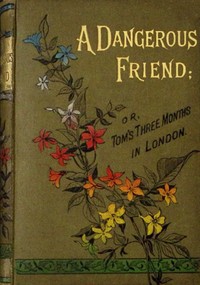
A dangerous friend : $b or, Tom's three months in London.
Written by Emma Leslie
Chaptra reads alongside you — AI insights, chapter breakdowns and reader discussions for every book. Join free
About this book
Reading guide
Themes, characters and key ideas in A dangerous friend : $b or, Tom's three months in London., written by Chaptra AI.
- about 8 hours
- intermediate
- Didactic
- Cautionary
- Moralistic
Emma Leslie's "A Dangerous Friend; or, Tom's Three Months in London" is a late 19th-century cautionary tale following fourteen-year-old Tom, a village blacksmith's son, as he ventures to London for work and opportunity. Prompted by his Uncle George, Tom leaves his rural home, navigating the bustling city's allure and inherent dangers. The novel explores themes of youth, ambition, and the perils of urban life as Tom encounters peer pressure and dubious characters, forcing him to confront moral dilemmas and the complexities of growing up in a rapidly changing environment. It serves as a moralistic narrative reflecting Victorian concerns about societal changes and the corruption of innocence.
“Specific memorable quotes are not available without the full text of the book. The narrative likely features instructive dialogue and descriptions emphasizing moral choices and the contrast between rural innocence and urban temptation.”
Key themes
- Loss of Innocence / Coming of Age
- Central to the narrative, this theme details Tom's transition from a naive boy to a more experienced individual capable of making informed moral decisions. His three months in London are a crucible for his personal growth and understanding of the world.
- Urban vs. Rural Life
- This theme explores the stark contrast between the simplicity and perceived moral purity of Tom's rural upbringing and the complexity, opportunity, and inherent dangers of metropolitan London. It examines how environment shapes character and moral choices.
- Peer Pressure and Moral Choice
- This theme explores the powerful influence of companionship on an individual's moral compass, particularly for a young, impressionable person like Tom. It highlights the internal and external conflicts arising from choosing between doing what is right and succumbing to the desires or expectations of others.
Worth discussing
How does the novel portray the contrast between rural and urban life in the late 19th century, and are these distinctions still relevant today?
Chapter-by-chapter breakdowns, character arcs and the full thematic analysis come with a free account.
Discussions
No one has started one yet
Questions this book opens up
No discussions yet
Be the first to start a discussion about this book!
Sign up to start the discussionReviews
No reviews yet
Be the first to review this book!