
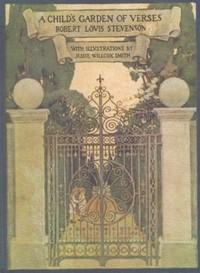
A Child's Garden of Verses
Written by Robert Louis Stevenson
Chaptra reads alongside you — AI insights, chapter breakdowns and reader discussions for every book. Join free
About this book
Reading guide
Themes, characters and key ideas in A Child's Garden of Verses, written by Chaptra AI.
- about 8 hours
- beginner
- nostalgic
- whimsical
- innocent
A Child's Garden of Verses" is a beloved collection of late 19th-century poetry by Robert Louis Stevenson, offering a tender and nostalgic portrayal of childhood. Through simple yet evocative verse, the book captures the essence of a child's perspective, exploring the joys of imaginative play, the wonders of nature, and the comfort of home. It invites readers to rediscover the innocence, curiosity, and boundless imagination inherent in youth, making the ordinary extraordinary. This timeless work celebrates the universal experiences of growing up, reflecting on family, dreams, and the simple pleasures that shape early life.
“How do you like to go up in a swing, / Up in the air so blue?”
Key themes
- Imagination and Play
- This theme is central to the collection, illustrating how children transform ordinary objects and situations into fantastical adventures. Stevenson highlights the boundless creativity of a child's mind, where a bed becomes a ship, blocks become a city, and a shadow becomes a mysterious companion. Imagination is depicted as a powerful tool for coping with illness, exploring the world, and finding joy in everyday life.
- Nature and the Outdoors
- Many poems celebrate the child's deep connection with the natural world, from observing animals and plants in the garden to experiencing the changing seasons and outdoor adventures. Nature is presented as a source of wonder, beauty, and freedom, providing a backdrop for play and a subject for curious observation. The poems often depict a harmonious relationship between the child and their environment.
- Curiosity and Wonder
- Stevenson consistently portrays the child as an inherently curious being, constantly observing, questioning, and finding wonder in the smallest details of the world. From the mechanics of a swing to the mystery of a shadow, the poems celebrate the child's innate desire to explore, understand, and marvel at their surroundings. This theme underscores the freshness and openness of a child's perspective.
Worth discussing
How does Stevenson capture the unique perspective of a child? What specific poems best illustrate this?
Chapter-by-chapter breakdowns, character arcs and the full thematic analysis come with a free account.
Discussions
No one has started one yet
Questions this book opens up
No discussions yet
Be the first to start a discussion about this book!
Sign up to start the discussionReviews
No reviews yet
Be the first to review this book!