
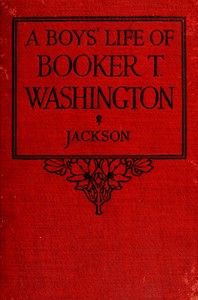
A boys' life of Booker T. Washington
Written by Walter Clinton Jackson
Chaptra reads alongside you — AI insights, chapter breakdowns and reader discussions for every book. Join free
About this book
Reading guide
Themes, characters and key ideas in A boys' life of Booker T. Washington, written by Chaptra AI.
- about 8 hours
- intermediate
- uplifting
- inspiring
- historical
A Boys' Life of Booker T. Washington" by Walter Clinton Jackson chronicles the extraordinary journey of Booker T. Washington from the harsh realities of slavery to becoming a towering figure in American education and civil rights. Written to inspire young readers, particularly Black youth, the book meticulously details Washington's unwavering determination to gain an education, his founding of the Tuskegee Institute, and his relentless efforts to uplift his community through industrial education and self-reliance. It emphasizes themes of resilience, ambition, and the transformative power of learning, presenting Washington's life as a powerful example of overcoming adversity to achieve profound societal impact. The narrative serves as both a historical account and a moral guide for self-improvement and community service.
“No race that has anything to contribute to the markets of the world is long in any degree ostracized.”
Key themes
- Education as Liberation
- This theme is central, portraying education not merely as academic learning but as the fundamental tool for personal freedom, economic independence, and social uplift for formerly enslaved people. It emphasizes practical, industrial education as a means to break cycles of poverty and subjugation.
- Resilience and Self-Improvement
- The book extensively showcases Washington's extraordinary ability to overcome adversity, from the trauma of slavery and extreme poverty to building a major institution from scratch. It champions the idea that individual determination, hard work, and a commitment to continuous self-improvement are key to success, regardless of one's starting point.
- Racial Uplift through Economic Empowerment
- This theme explores Washington's core philosophy that economic self-sufficiency and the acquisition of practical skills are the most effective means for African Americans to gain respect and equality in a racially stratified society. It posits that demonstrating economic value would eventually lead to full civil rights.
Worth discussing
How does Washington's early life in slavery shape his later philosophy on education and self-reliance?
Chapter-by-chapter breakdowns, character arcs and the full thematic analysis come with a free account.
Discussions
No one has started one yet
Questions this book opens up
No discussions yet
Be the first to start a discussion about this book!
Sign up to start the discussionReviews
No reviews yet
Be the first to review this book!