
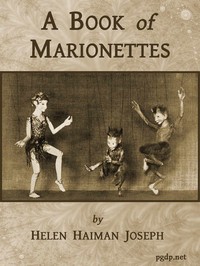
A Book of Marionettes
Written by Helen Haiman Joseph
Chaptra reads alongside you — AI insights, chapter breakdowns and reader discussions for every book. Join free
About this book
Reading guide
Themes, characters and key ideas in A Book of Marionettes, written by Chaptra AI.
- about 12 hours
- intermediate
- informative
- scholarly
- inspiring
Helen Haiman Joseph's "A Book of Marionettes" is a seminal non-fiction work that offers a comprehensive exploration of the art of string puppetry. Published in 1920, it meticulously traces the historical evolution of marionettes from ancient civilizations through various global traditions to the early 20th century, advocating for their recognition as a serious theatrical art form. Joseph provides both a detailed historical survey and practical guidance on puppet construction and manipulation, infused with a profound philosophical discussion on the aesthetic potential and unique expressive capabilities of marionettes. The book serves as a foundational text, challenging prevailing perceptions and inspiring generations of puppeteers and scholars to embrace the artistic depth of this ancient craft.
“The marionette is no toy; it is an instrument, capable of a subtle and delicate art.”
Key themes
- The Artistry and Legitimacy of Puppetry
- Joseph's primary and overarching theme is to elevate marionettes from simple toys or folk entertainment to a serious and legitimate theatrical art form. She argues for their unique expressive capabilities, their profound historical depth, and their potential for making complex artistic statements, actively challenging the prevailing dismissive attitudes of her time.
- Control vs. Freedom / The Animate vs. The Inanimate
- This theme explores the inherent paradox of puppetry: inanimate objects brought to life by the puppeteer's absolute control, yet seemingly possessing their own agency and spirit. Joseph delves into the illusion of life, the psychological impact of seeing a wooden figure 'act,' and the delicate balance between the puppeteer's complete command and the puppet's perceived autonomy and expressive freedom.
- Tradition and Innovation
- The book meticulously traces the historical traditions of puppetry across diverse cultures and eras, celebrating its rich heritage. While honoring the past, Joseph also advocates for modern innovation, encouraging contemporary artists to learn from and build upon established techniques and forms while simultaneously exploring new possibilities for expression and pushing the boundaries of the art form.
Worth discussing
How does Joseph argue for the artistic legitimacy of marionettes, and how effective do you find her arguments in a contemporary context?
Chapter-by-chapter breakdowns, character arcs and the full thematic analysis come with a free account.
Discussions
No one has started one yet
Questions this book opens up
No discussions yet
Be the first to start a discussion about this book!
Sign up to start the discussionReviews
No reviews yet
Be the first to review this book!